
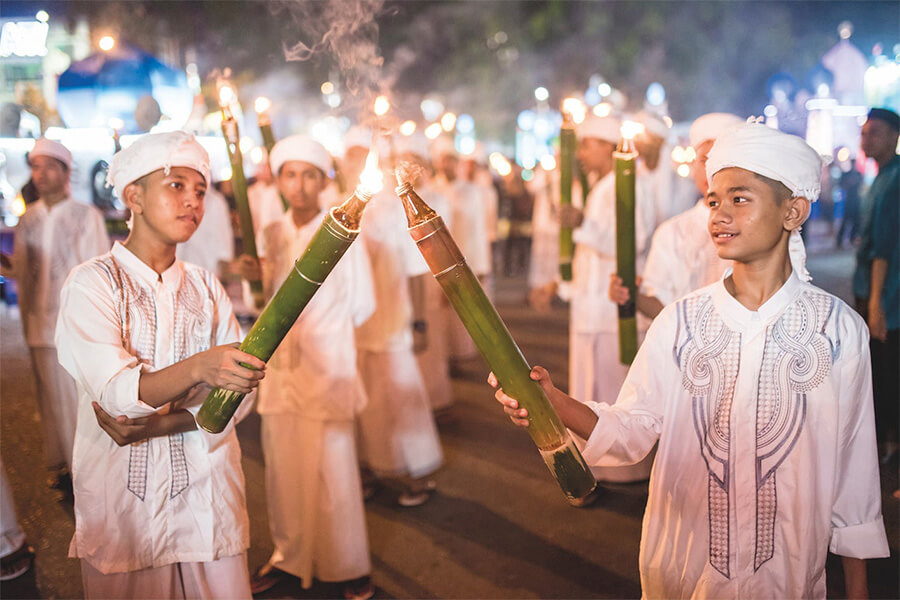
Indonesia, home to the world’s largest Muslim population, transforms into a tapestry of spiritual reflection and communal joy during ramadan in indonesia. Travelers seeking authentic cultural immersion often explore these celebrations through thoughtfully designed Indonesia tour packages that align with local rhythms while honoring every tradition. From bustling city streets to quiet village lanes, ramadan in indonesia offers visitors a chance to witness how faith, family, and heritage intertwine in one of the most vibrant expressions of the holy month anywhere on earth.
What Is Ramadan In Indonesia Like?
Ramadan in indonesia is far more than a period of fasting. It becomes a month-long celebration of community, generosity, and self-discipline that touches every corner of daily life. The atmosphere shifts as daylight hours bring quiet reverence while nights pulse with shared meals, prayers, and festive gatherings. Having guided countless travelers through these experiences, one quickly realizes that ramadan in indonesia blends universal Islamic principles with distinctly Indonesian warmth and hospitality.
The History Of Ramadan Traditions In Indonesia
Islam first reached the Indonesian archipelago through Arab and Indian traders as early as the 13th century, gradually taking root across the islands. By the 15th and 16th centuries, coastal kingdoms such as Demak and Mataram had embraced the faith, weaving Ramadan observance into existing cultural frameworks. Over centuries, local customs merged with religious practice, creating the rich ramadan traditions in indonesia we see today. Early manuscripts from Aceh and Java record how rulers encouraged communal fasting and charity, setting the foundation for practices that still thrive. Colonial periods and modern independence only strengthened these roots, as successive governments recognized the spiritual importance of the month for the nation’s majority Muslim population.
The Meaning Of Ramadan In Indonesian Muslim Life
For Indonesian Muslims, ramadan in indonesia represents a time of purification for both body and soul. Beyond abstaining from food and drink, participants focus on controlling negative emotions, increasing charitable acts, and strengthening family bonds. The concept of gotong royong, or mutual cooperation, shines brightly as neighbors help one another prepare meals and support those in need. Zakat, the obligatory almsgiving, flows generously through mosques and community organizations, ensuring the less fortunate can also celebrate. This deep spiritual focus makes indonesian ramadan a profoundly moving experience that resonates long after the crescent moon signals its end.
When Does Ramadan In Indonesia Take Place?
Ramadan in indonesia follows the Islamic lunar calendar, occurring in the ninth month and shifting approximately ten days earlier each Gregorian year. The exact start and end dates are officially determined by the Indonesian Ministry of Religious Affairs through the rukyatul hilal, or moon-sighting process, usually announced a few days in advance. In recent cycles, the holy month has fallen between February and April, though precise timing varies. Families and businesses plan well ahead, adjusting work schedules and school calendars to accommodate the spiritual rhythm of ramadan in indonesia. Reliable lunar calculators and government announcements help both locals and visitors track the dates accurately each season.
Ramadan Traditions In Indonesia
The ramadan traditions in indonesia stand out for their colorful fusion of Islamic devotion and local heritage. Each phase of the month carries unique rituals that have been passed down through generations, creating an immersive cultural calendar unlike any other.
Nyadran And Other Pre-Ramadan Customs
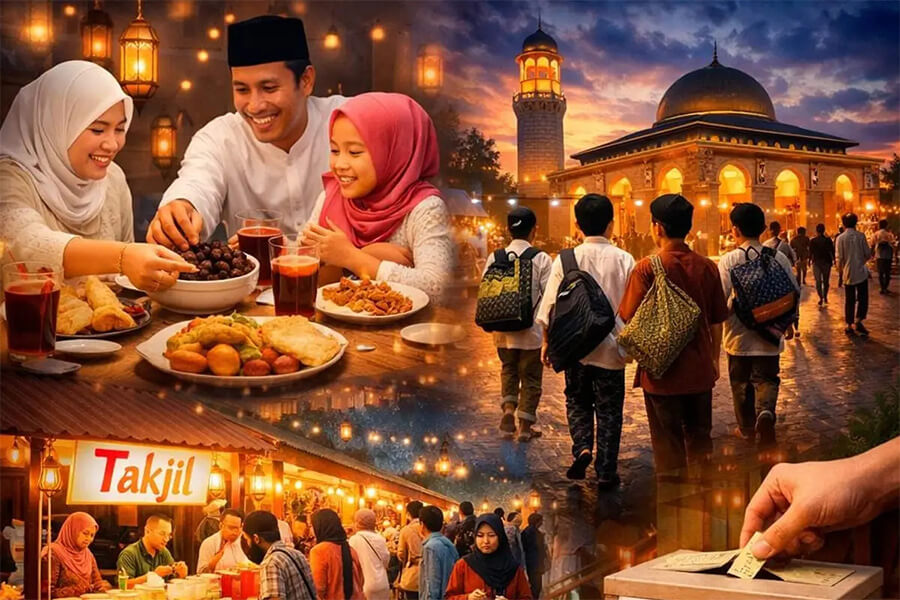
Weeks before the fast begins, many Javanese communities observe Nyadran, a heartfelt tradition of cleaning ancestral graves, offering flowers, and reciting prayers. Families travel to cemeteries, share simple meals, and seek blessings for the coming month. Another cherished custom is Padusan, a ritual bath believed to cleanse the body and spirit in preparation for fasting. These pre-Ramadan activities set a tone of reflection and gratitude that carries into the holy month itself, showcasing how ramadan traditions in indonesia seamlessly blend reverence with everyday life.
Bukber Or Breaking Fast Together
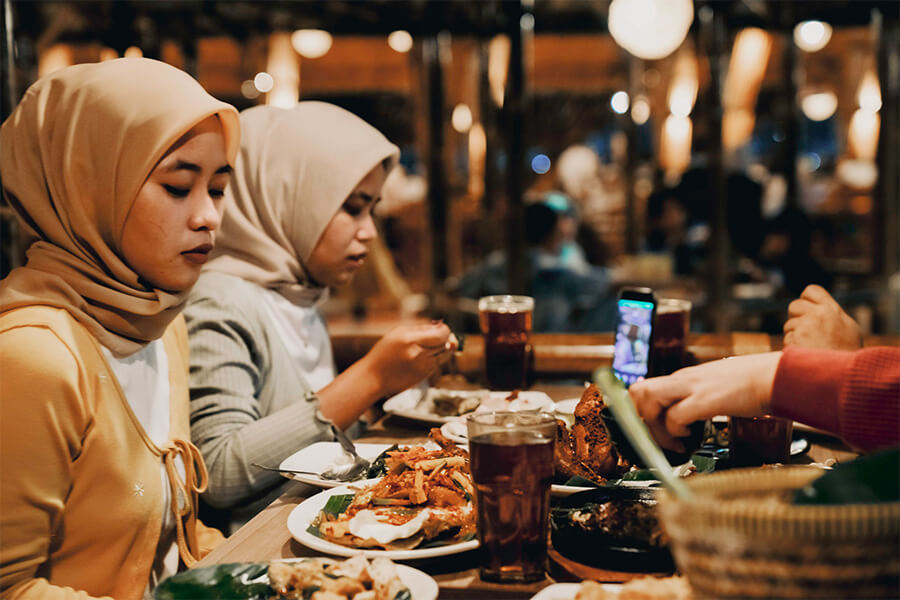
One of the most beloved social traditions is Bukber, short for buka puasa bersama. As the sun sets, friends, colleagues, and neighbors gather at mosques, offices, or homes to break the fast collectively. Tables overflow with shared dishes while the call to prayer echoes, followed by dates, water, and heartfelt conversations. Bukber events strengthen community ties and offer visitors a warm invitation into Indonesian hospitality during ramadan in indonesia.
Sahur Traditions In Indonesian Neighborhoods
Before dawn, the rhythmic beat of bedug drums or the sound of kentongan wooden gongs wakes families for sahur, the pre-dawn meal. Neighborhood volunteers walk the streets, gently reminding residents it is time to eat and pray. Children and elders alike share rice dishes and warm drinks, creating a peaceful yet lively atmosphere. These sahur traditions in Indonesian neighborhoods highlight the collective spirit that defines indonesian ramadan and leave lasting memories for those fortunate enough to witness them.
Tarawih Prayers And Evening Gatherings
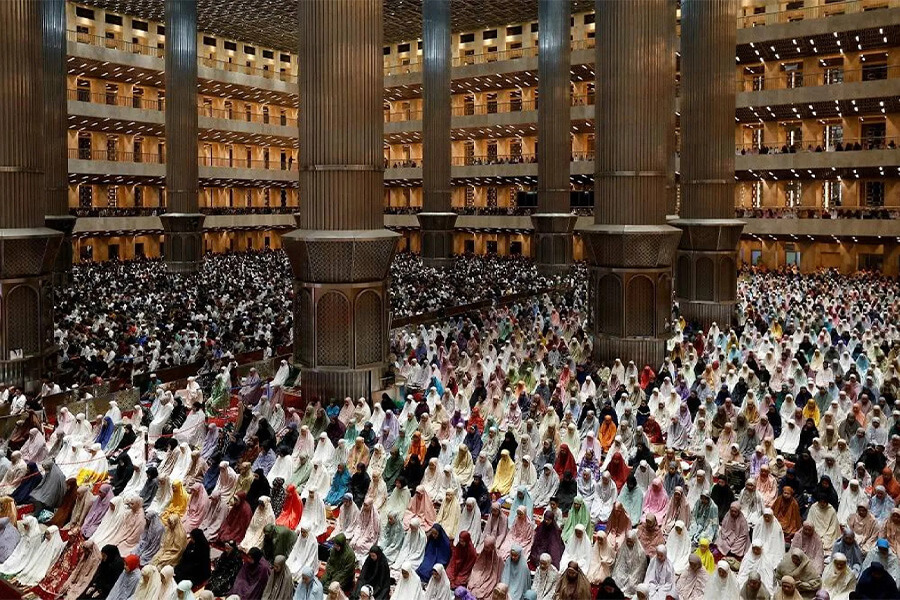
After the evening isha prayer, mosques fill with worshippers for tarawih, the special nighttime prayers unique to Ramadan. Many congregations recite the entire Quran over the course of the month, accompanied by beautiful recitations that echo through the night. Afterward, families linger for light snacks and stories, turning the mosque grounds into vibrant social hubs. The serene yet joyful energy of tarawih gatherings remains one of the most captivating aspects of ramadan in indonesia.
Indonesian Ramadan Food And Drinks
Food plays a central role in ramadan in indonesia, transforming simple ingredients into flavorful expressions of care and tradition. Each region adds its own twist, yet certain staples appear nationwide. When the fast breaks, streets come alive with takjil vendors offering sweet and savory treats. Es buah, a colorful fruit soup with coconut milk and jelly, refreshes instantly, while kolak pisang, bananas simmered in palm sugar and coconut milk, provides comforting sweetness.
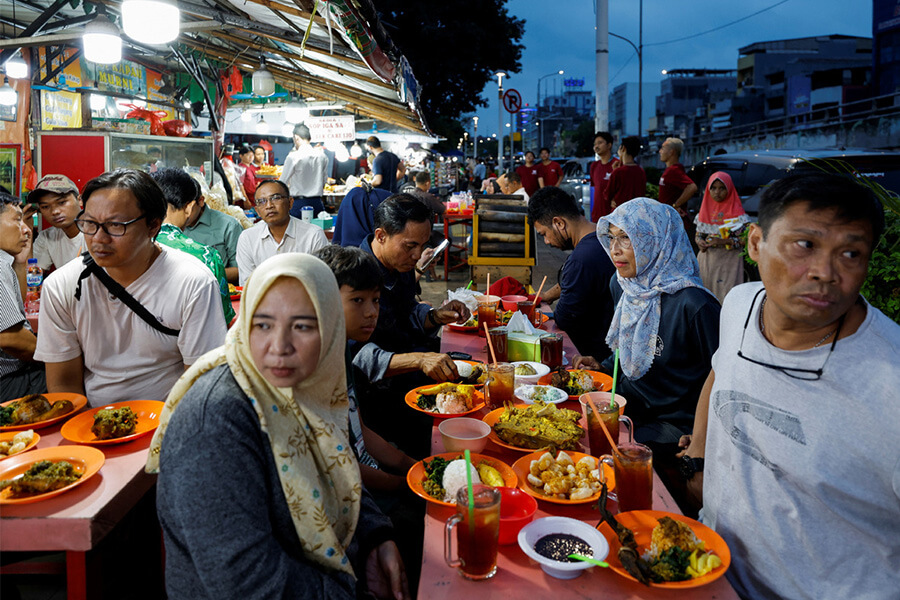
Savory options include gorengan, crispy fried snacks, and martabak, stuffed pancakes filled with egg or chocolate. For sahur, families prepare heartier meals such as nasi uduk fragrant rice with side dishes, or soto ayam chicken soup to sustain energy through the day. Regional specialties shine too: Sumatran rendang appears in some households, while Javanese opor ayam offers mild coconut curry comfort. Thirst-quenching drinks like bandrek ginger tea or es cincau grass jelly beverages keep the body hydrated during evening hours. These dishes not only nourish but also embody the generosity that defines ramadan traditions in indonesia.
How Indonesian Cities Celebrate Ramadan
Diverse geography and culture create distinct flavors of ramadan in indonesia across major cities, each offering travelers unique perspectives on the holy month.
Ramadan In Jakarta
Indonesia’s bustling capital pulses with energy during ramadan in indonesia. The majestic Istiqlal Mosque, Southeast Asia’s largest, welcomes thousands for tarawih prayers under its grand dome. Takjil markets spring up around Sudirman and Thamrin avenues as office workers rush to break their fast together. Bukber events fill hotel ballrooms and corporate lobbies, while nighttime food stalls along Jalan Sabang serve everything from traditional bubur ayam to modern fusion dishes. The city’s cosmopolitan vibe blends seamlessly with deep spiritual observance, making Jakarta an exciting gateway to experience ramadan in indonesia at its most dynamic.
Ramadan In Yogyakarta
The cultural heart of Java offers a more contemplative celebration. In Yogyakarta, royal traditions at the Kraton palace add historical depth, with special ceremonies honoring ancestral blessings. Quiet alleys around Malioboro Street transform into takjil havens at sunset, where locals share warm smiles and stories. Families gather for sahur to the gentle sounds of bedug echoing from nearby mosques. The slower pace allows visitors to appreciate the artistic side of indonesian ramadan, from batik-making workshops that incorporate charity themes to evening storytelling sessions that preserve Javanese heritage.
Ramadan In Bali And Other Mixed-Culture Areas
In predominantly Hindu Bali, the Muslim community celebrates ramadan in indonesia with quiet devotion and remarkable harmony. Neighborhoods in Denpasar and Karangasem come alive at night with takjil stalls and tarawih prayers, while daytime tourist areas continue normally. Lombok, with its stronger Sasak Muslim population, offers a more visible observance, including colorful bukber gatherings by the beach. These mixed-culture regions beautifully illustrate Indonesia’s national motto of unity in diversity, proving that ramadan in indonesia thrives even where multiple faiths coexist peacefully.
Travel Tips For Experiencing Ramadan In Indonesia
Approaching ramadan in indonesia with respect and preparation ensures a rewarding journey for every visitor.
What Visitors Should Know Before Traveling
Confirm the exact dates through official government channels, as they shift annually. Many restaurants and cafes adjust hours, closing during daylight but reopening vibrantly after sunset. Public transportation runs normally, though traffic may lighten during fasting hours. Booking accommodations near major mosques or night markets provides convenient access to celebrations. Flexible itineraries work best, allowing time to join evening activities without rushing.
Etiquette During Ramadan In Indonesian Public Places
Non-Muslims are not expected to fast, yet showing consideration is essential. Avoid eating, drinking, or smoking in public view during daylight hours. Dress modestly with shoulders and knees covered, especially when visiting mosques or religious sites. Speak softly near places of worship and accept invitations to bukber with gratitude. Simple gestures like wishing “Selamat berbuka puasa” demonstrate respect and open doors to genuine connections during ramadan in indonesia.
Best Ways To Enjoy The Cultural Experience Respectfully
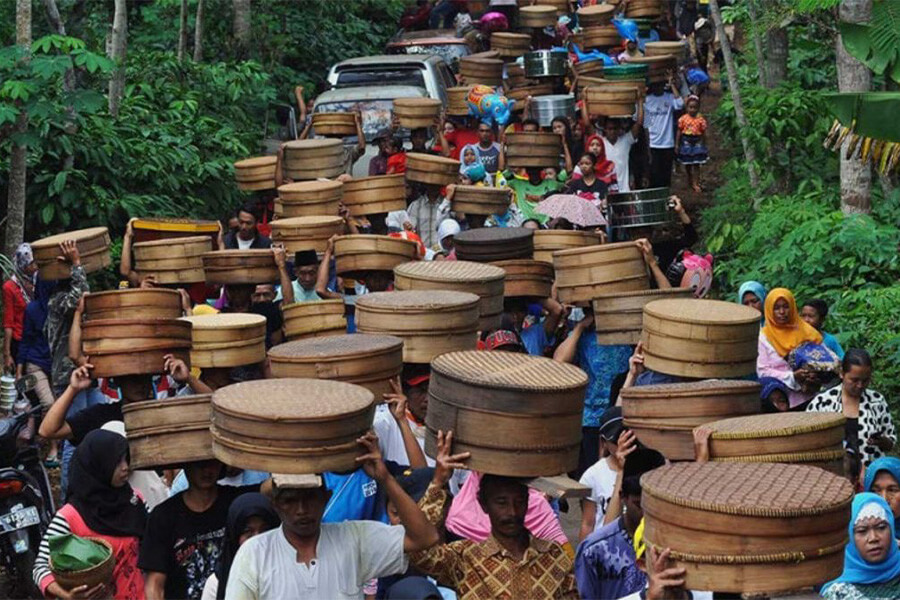
Participate as an observer or guest rather than a spectator. Join public tarawih prayers quietly at the back of the mosque if invited. Explore night markets with local guides who explain each dish’s significance. Volunteer for charity distributions through reputable organizations to understand the spirit of giving. In villages, waking for sahur with a host family creates unforgettable memories. These mindful approaches transform a trip into a meaningful cultural exchange that honors the essence of ramadan traditions in indonesia.
Faqs About Ramadan Holidays In Indonesia
When does ramadan in indonesia usually begin and end each year?
The dates follow the lunar calendar and are officially announced by the Ministry of Religious Affairs after moon sighting. They typically shift ten days earlier annually, so checking government sources closer to the season provides the most accurate information for planning ramadan holidays in indonesia.
Can non-Muslims participate in ramadan traditions in indonesia?
Absolutely. Visitors are warmly welcomed to observe, join bukber gatherings when invited, and enjoy takjil at public markets. Respectful participation enriches the experience for everyone while maintaining the spiritual focus of ramadan in indonesia.
Are businesses and tourist attractions open during ramadan holidays in indonesia?
Most attractions remain accessible, though some museums and shops may close earlier or adjust hours. Night markets and evening tours thrive, offering excellent opportunities to explore after breaking the fast. Public transport and major sites like Borobudur continue operating normally.
What should I pack for a trip during ramadan in indonesia?
Light, modest clothing suitable for warm weather, comfortable walking shoes for evening strolls, and a reusable water bottle for hydration after sunset. A scarf or shawl proves useful when entering mosques or attending community events.
Is ramadan in indonesia a good time to visit for cultural immersion?
It is an outstanding period for those seeking authentic insights. The heightened sense of community, nightly celebrations, and visible acts of kindness provide deeper cultural understanding than any guidebook could convey.
How do ramadan holidays in indonesia compare to celebrations in other Muslim-majority countries?
While core religious practices remain the same, indonesian ramadan uniquely emphasizes communal meals, ancestral respect through Nyadran, and vibrant street takjil culture, creating a distinctly warm and inclusive atmosphere.
At Go Indonesia Tours, we analyzed the profound cultural layers of ramadan in indonesia to craft experiences that respect every tradition while creating lifelong memories for our guests.