
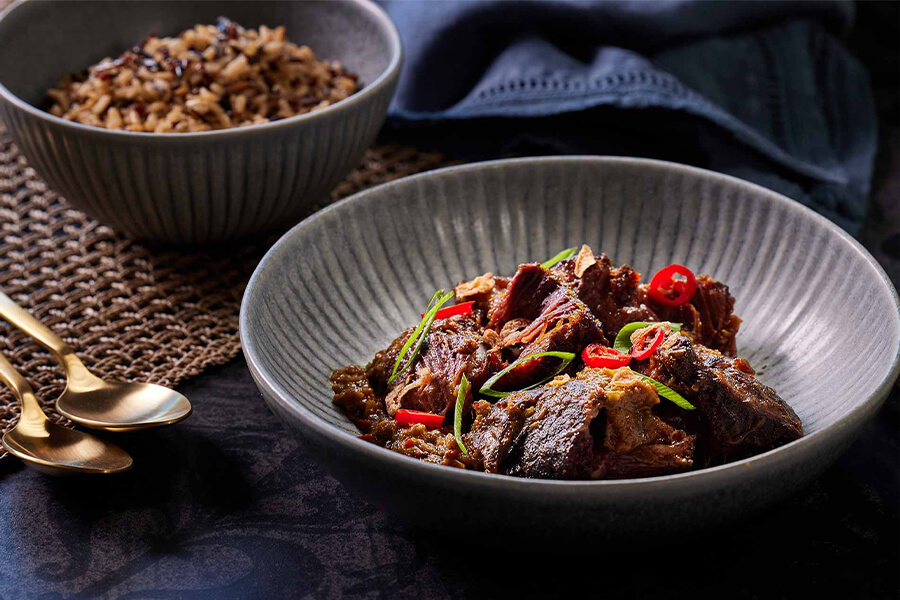
Discovering the rich flavors of Indonesia is a highlight for many travelers, and when planning your Indonesia vacation packages, nothing captures the essence of the archipelago’s culinary heritage quite like Rendang. This slow-cooked masterpiece, known worldwide as beef rendang, embodies patience, spice mastery, and centuries of tradition. Often called meat rendang or rendang meat by locals, and sometimes simply rendang beef in global conversations, it transforms humble ingredients into a deeply aromatic, tender delicacy that lingers on the palate long after the meal ends. As a travel writer who has explored Indonesia’s kitchens from Sumatra to Bali for over two decades, I have witnessed firsthand how Rendang unites families, celebrates festivals, and draws food lovers across borders.
What Is Rendang?
Rendang is far more than a stew. It is a labor of love where beef is simmered in coconut milk and a complex blend of spices until the liquid evaporates completely, leaving the meat coated in a thick, caramelized spice paste. The result is fork-tender beef with layers of heat, sweetness, and earthiness that define Indonesian comfort food. Unlike curries that remain saucy, authentic Rendang is dry, intense, and meant to be savored with steamed rice. Its texture ranges from melt-in-the-mouth to slightly chewy, depending on the cut and cooking time. Travelers often describe their first bite as a revelation, a dish that tells the story of Indonesia’s spice trade and communal spirit.
History Of Rendang
The roots of Rendang trace back to the Minangkabau people of West Sumatra, where it emerged as a practical method of preserving meat before refrigeration. Historians point to early references in 16th-century Malay manuscripts like Hikayat Amir Hamzah, linking its origins to the cultural crossroads of the Malacca Strait. Indian merchants introduced similar slow-cooked dishes that Minangkabau cooks adapted, adding local aromatics and coconut milk. The arrival of chili peppers via Portuguese traders in the 16th century transformed it into the fiery version we know today.
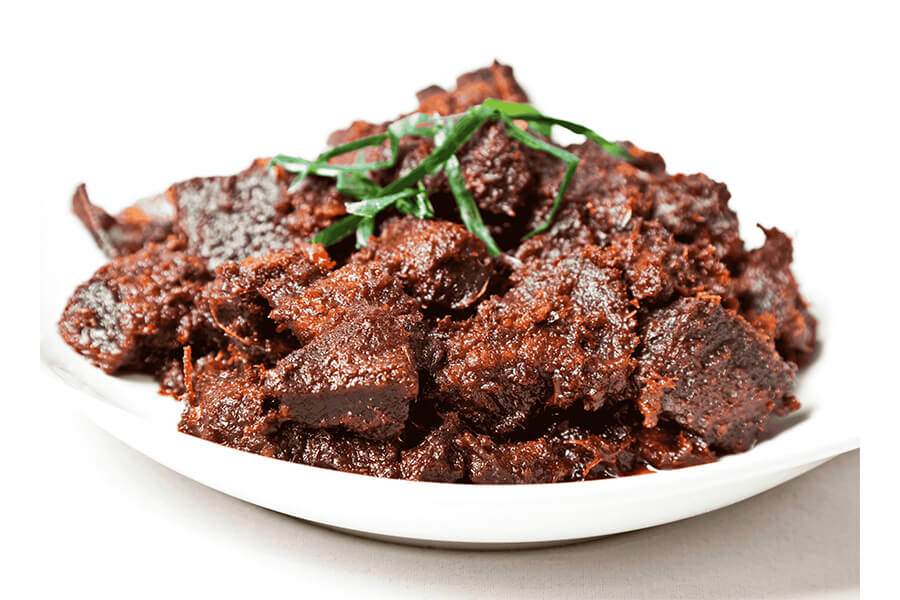
Over centuries, Rendang spread through Minang migrations across Indonesia and beyond. By the 19th century, it had become a staple at weddings, Eid celebrations, and communal feasts. Its endurance through time reflects the Minang philosophy of endurance and perfection. In modern times, Rendang gained global fame when CNN named it the world’s most delicious food in 2011, yet its heart remains in Sumatran villages where grandmothers pass down recipes unchanged for generations. From my own visits to Padang markets, I can attest that every family claims a slightly different secret, yet the soul of this dish stays consistent: respect for ingredients and unhurried cooking.
Types Of Rendang
While beef rendang is the most celebrated, Indonesia offers several variations that showcase the dish’s versatility. The classic meat rendang uses beef chuck or brisket for its marbling and ability to absorb spices. Chicken rendang provides a lighter alternative, popular in coastal regions where poultry is abundant. Duck rendang delivers richer gamey notes, while lamb rendang appears in highland areas.
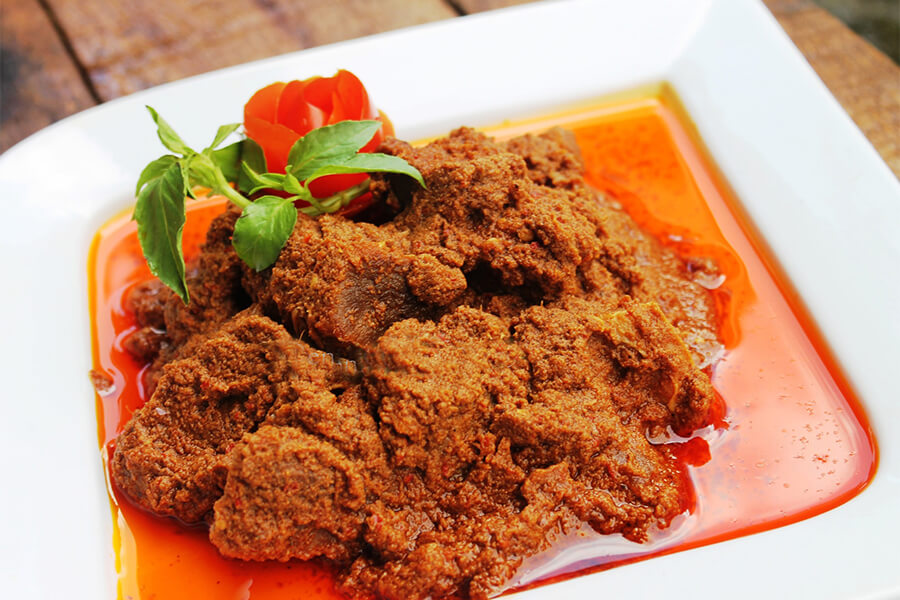
Two main styles exist: the dry Rendang (kariang), fully reduced until the spices cling to the meat like a crust, and the wetter kalio version, served earlier in the cooking process with more gravy. In Bali and Java, milder adaptations balance heat for tourists, whereas Sumatran originals deliver bold spice. Regional twists include Padang-style rendang beef with extra turmeric leaves for citrusy brightness or Javanese versions incorporating palm sugar for deeper caramel notes. Each type honors the same slow-cooking principle, proving why Rendang remains Indonesia’s most adaptable yet authentic dish.
Ingredients Used In Rendang
The magic of Rendang lies in its precise balance of fresh and dried ingredients, each contributing depth and complexity. At the center stands quality beef, preferably chuck or shank, cut into generous chunks that hold shape during hours of simmering. Coconut milk forms the silky base, providing creaminess and subtle sweetness as it reduces.
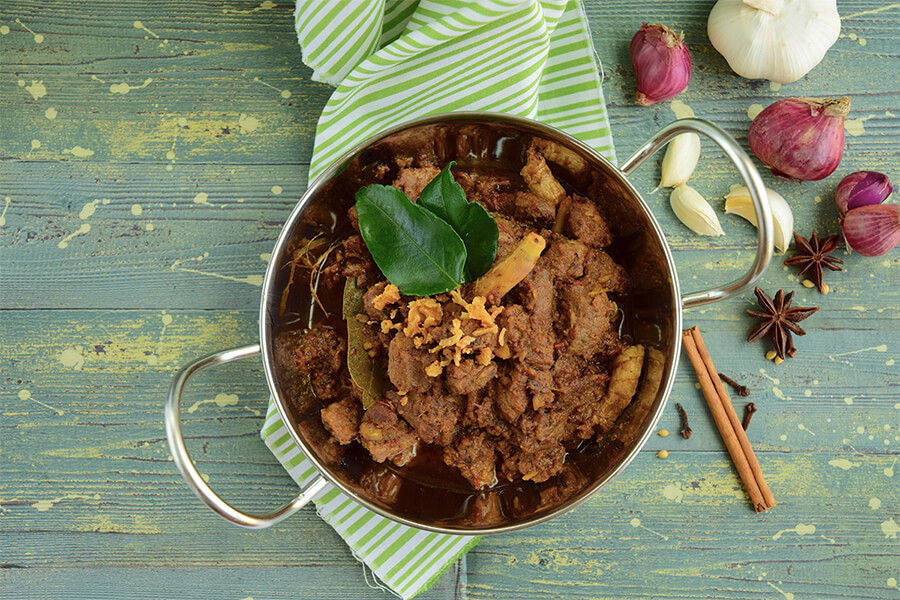
The spice paste is non-negotiable. Shallots and garlic create the aromatic foundation, while ginger and galangal add warming zing and citrusy earthiness. Fresh turmeric brings vibrant color and subtle bitterness that cuts through richness. Red chilies deliver controlled heat; adjust quantity based on preference, but authentic beef rendang carries a lingering kick. Lemongrass stalks, bruised and tied, infuse floral notes, while kaffir lime leaves and turmeric leaves add bright, herbaceous layers.
A signature touch is kerisik, toasted grated coconut ground into a paste that thickens the sauce and introduces nutty depth. Salt and sometimes a touch of palm sugar balance flavors. Optional additions like star anise or cinnamon appear in family variations, but purists stick to the core Minang blend. From experience testing recipes in home kitchens across Sumatra, I recommend sourcing ingredients fresh from local markets. Dried spices lose potency quickly, and nothing replaces the perfume of freshly pounded aromatics.
Step By Step For Making Rendang Is Cooked
Creating perfect Rendang demands patience and attention, a process that can take four to six hours but rewards every minute. Begin by preparing the spice paste. Blend shallots, garlic, ginger, galangal, turmeric, and chilies into a smooth paste using a mortar and pestle for best results, or a food processor if time is limited. This step releases essential oils that form the flavor backbone.
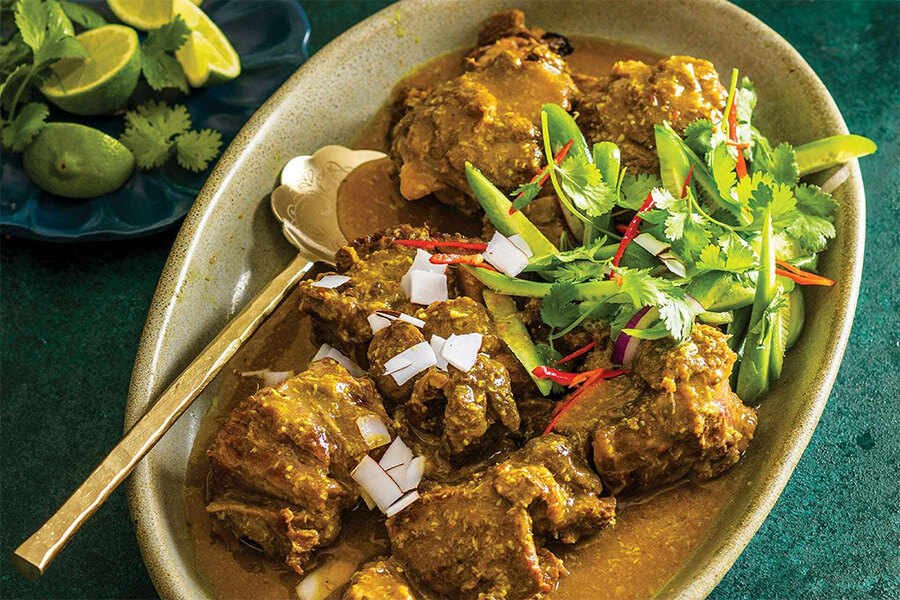
Heat oil in a heavy-bottomed pot over medium flame. Fry the paste until fragrant and the oil separates, usually 10 to 15 minutes. This toasting intensifies aromas and prevents a raw taste in the final dish. Add bruised lemongrass, kaffir lime leaves, and turmeric leaves, stirring until they release their scent.
Introduce the beef chunks, turning them gently to coat every piece with the aromatic base. Pour in coconut milk and a splash of water if needed to cover the meat. Season with salt and stir in the toasted coconut paste. Bring everything to a gentle boil, then reduce to the lowest simmer.
Here comes the crucial part. Stir every 15 minutes to prevent sticking as the liquid slowly evaporates. Over the next three to four hours, the sauce thickens, the meat tenderizes, and the spices caramelize. The mixture will go through stages: first soupy, then creamy, finally dry and glossy. Do not rush by increasing heat; low and slow ensures the meat absorbs every nuance without becoming tough.
When the oil separates and the meat turns deep mahogany, taste and adjust seasoning. Some cooks add a final sprinkle of kerisik for extra texture. Rest the Rendang for 30 minutes before serving so flavors meld. Traditional wisdom holds that Rendang tastes even better the next day, making it ideal for advance preparation during busy travel itineraries.
Practical tips from years of kitchen observations: use a wide, heavy pot for even evaporation. Choose beef with connective tissue that breaks down into silkiness. If the sauce reduces too quickly, add a splash of water, but never dilute flavor. These small details separate good rendang beef from unforgettable.
Where You Can Find Beef Rendang In Indonesia
Indonesia offers countless places to enjoy exceptional beef rendang, but certain establishments stand out for authenticity, consistency, and atmosphere. Whether exploring vibrant Jakarta streets or serene Balinese rice fields, these spots deliver experiences that elevate the dish beyond mere food. At Go Indonesia Tours, we analyzed visitor feedback, chef interviews, and on-site tastings to identify venues that consistently honor traditional techniques while welcoming international palates.
Waroeng Bernadette
📍 Address: Jl. Kayu Aya No.17, Seminyak, Kuta Utara, Badung Regency, Bali 80361, Indonesia
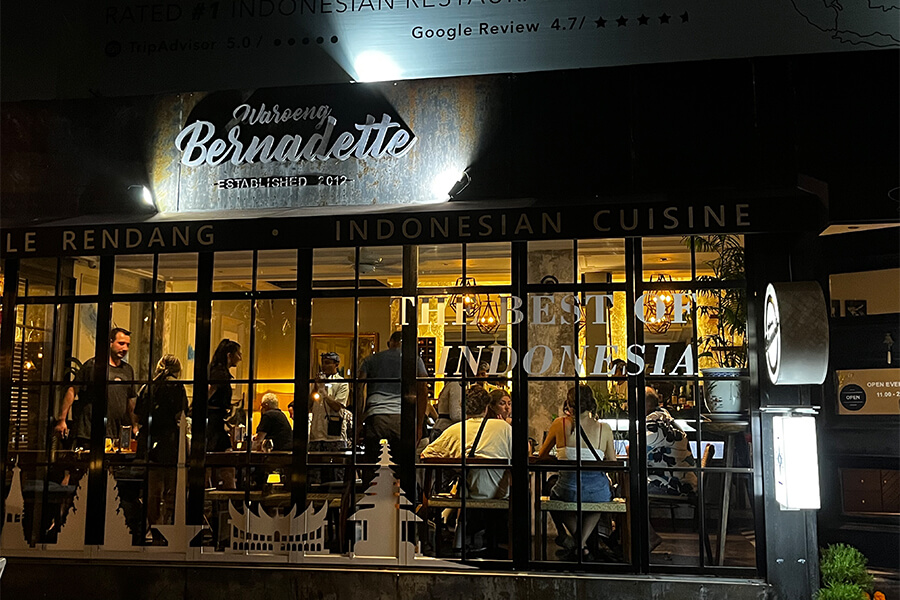
Nestled in both Ubud and Seminyak, Waroeng Bernadette captures the soul of Indonesian home cooking. This charming warung chain earned its reputation through signature beef rendang slow-cooked to perfection, exactly as grandmothers in Sumatra would approve. Diners frequently praise the tender meat bathed in a spice crust that balances heat and sweetness without overwhelming.
The Ubud location sits along Jalan Penestanan, surrounded by lush greenery that enhances the relaxed vibe. Wooden tables and warm lighting create an intimate setting ideal for savoring every bite. Pair the Rendang with their nasi goreng or sate ayam for a complete feast. During my visits, the staff shared stories of family recipes passed down generations, reminding guests that Rendang is more than a menu item. It is heritage on a plate. Portions are generous, prices accessible, and vegan adaptations available for those preferring plant-based twists. Travelers often return multiple times during their Bali stay, proving its status as a must-visit.
Warung Damar
📍 Address: Jl. Penestanan, Sayan, Ubud, Gianyar Regency, Bali 80517, Indonesia

Tucked within Bali Garden Beach Resort in Kuta, Warung Damar offers a garden oasis amid bustling south Bali. The name meaning “feast of light” perfectly suits the evening ambiance where lanterns illuminate open-air seating. Their beef rendang stands out for its rich depth and consistent quality, earning praise from locals and tourists alike as some of the best in the area.
Chefs here use premium cuts and traditional wood-fire methods that impart subtle smokiness. The dish arrives beautifully presented alongside fragrant rice and fresh sambal. Service is attentive yet unhurried, allowing time to appreciate nuances in every spoonful. From personal experience, arriving early secures the best seats overlooking the garden, where the scent of spices mingles with tropical blooms. Warung Damar proves ideal for families or groups seeking reliable meat rendang without venturing far from beach activities. Value for money remains exceptional, making it a favorite among repeat visitors.
Seribu Rasa Menteng
📍 Address: Jalan Kartika Plaza, Bali Garden Beach Resort, Kuta, Bali 80361, Indonesia
In Jakarta’s elegant Menteng district, Seribu Rasa Menteng elevates Rendang to fine-dining status while preserving authenticity. Located along Jalan Haji Agus Salim, this establishment forms part of a respected chain dedicated to Southeast Asian flavors. Their beef features two signature chili dressings that allow customization of heat levels, a thoughtful touch for international guests.
The sophisticated yet welcoming interior blends modern design with traditional elements, creating a refined atmosphere suitable for business lunches or special occasions. The rendang beef here impresses with perfectly rendered fat and spices that linger elegantly. Accompany it with their traditional rice cake sets or vegetable dishes in coconut milk for balanced plates. Over years of recommending this spot, I have noted how the attentive staff explains spice origins, turning meals into educational experiences. Seribu Rasa Menteng bridges Jakarta’s fast pace with slow-cooked tradition, proving Rendang adapts beautifully to urban settings.
Ulekan Berawa
📍 Address: Jl. H. Agus Salim No.128, Menteng, Central Jakarta 10310, Indonesia
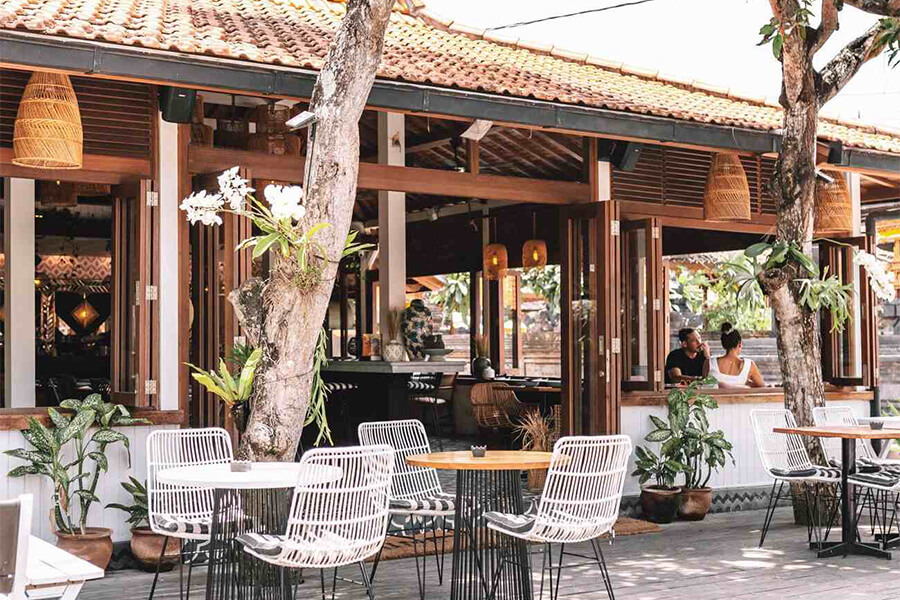
Ulekan Berawa in Canggu and its sister location in Munduk bring rustic charm to beef rendang service. The name references the traditional stone mortar and pestle, symbolizing their commitment to hand-ground spices and time-honored techniques. Here, Rendang emerges with profound depth from hours of patient simmering, delivering that familiar hearty warmth straight to the table.
The Berawa outpost overlooks rice paddies, offering serene views that enhance the dining experience. Open-air pavilions and natural materials create a peaceful retreat where flavors shine. Their version highlights the meat’s tenderness against a bold spice profile, often accompanied by house-made sambals. During one memorable evening, the chef demonstrated the final reduction stage tableside, illustrating why patience defines great Rendang. Ulekan Berawa suits those seeking authentic meat in a tranquil setting away from crowds. Both locations maintain daily hours from morning until late, accommodating flexible travel schedules.
Rendang continues to captivate palates and hearts across Indonesia. Its secret lies not in complicated techniques but in respect for ingredients and the willingness to wait. Whether preparing it at home or seeking the finest versions during your journey, this dish offers more than sustenance. It provides a taste of Indonesian resilience, community, and culinary brilliance. Next time your travels lead you to the archipelago, let Rendang guide your explorations. The memories, like the flavors, will endure long after you return home.