
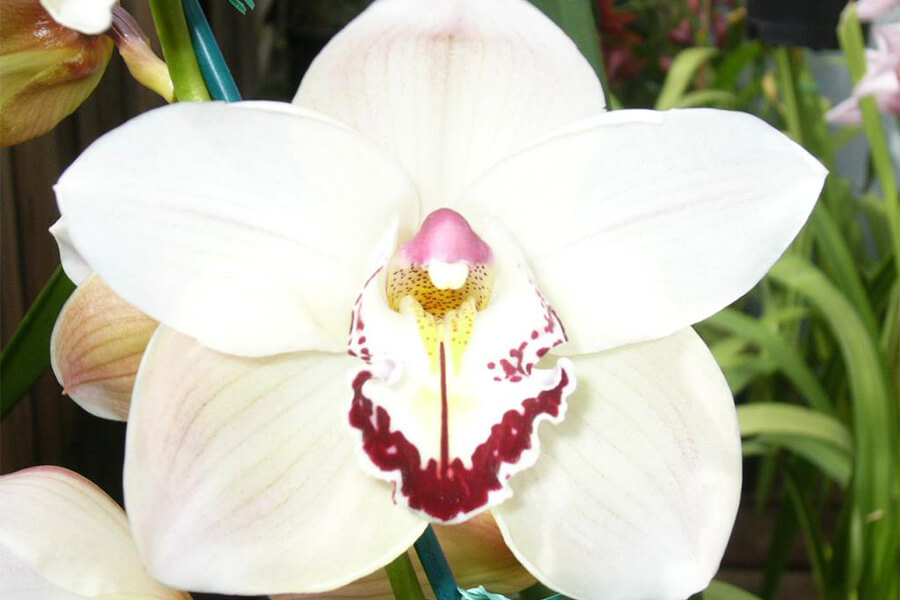
Indonesia’s rich cultural tapestry and extraordinary biodiversity are beautifully captured in its Indonesia national flower symbols. Unlike most nations that select a single bloom, Indonesia honors three distinct flowers that together embody the spirit of unity in diversity. At Go Indonesia Tours, we guide travelers through the living heritage of these floral emblems every season, helping visitors understand why the country chose not one but three representatives. The Indonesia national flower story reveals deep layers of history, symbolism, and national pride that every explorer should experience firsthand.
What Are the 3 National Flowers of Indonesia?
Indonesia stands apart in the global community of nations because its Indonesia national flower is actually a trio of blossoms, each carrying a unique official title. This decision was made official on World Environment Day, 5 June 1990, when President Suharto proclaimed three native species as national floral emblems. The choice reflects Indonesia’s national motto “Bhinneka Tunggal Ika” — unity in diversity — showing how one country can celebrate multiple treasures without diminishing any.
The first is Melati Putih, formally known as the national flower or Puspa Bangsa. The second is Anggrek Bulan, designated as the flower of charm or Puspa Pesona. The third is Padma Raksasa, recognized as the rare flower or Puspa Langka. Each was selected for its deep roots in Indonesian life, from everyday rituals to remote rainforests. In my years of leading cultural tours across Java, Sumatra, and beyond, I have watched guests light up with wonder when they first encounter these living symbols in their natural settings.
Melati Putih as an Indonesian National Flower
Melati Putih, or Jasminum sambac, is the fragrant white jasmine that has scented Indonesian history for centuries. Small, delicate, and pure white, its petals open at dusk and release an intoxicating aroma that fills the night air. This bloom was elevated to the status of Indonesia national flower because of its sacred place in daily life and ceremonies. Brides wear garlands of Melati Putih on their wedding day, and the flowers adorn temple offerings across Bali and Java. Its five petals also echo the five principles of Pancasila, Indonesia’s philosophical foundation.
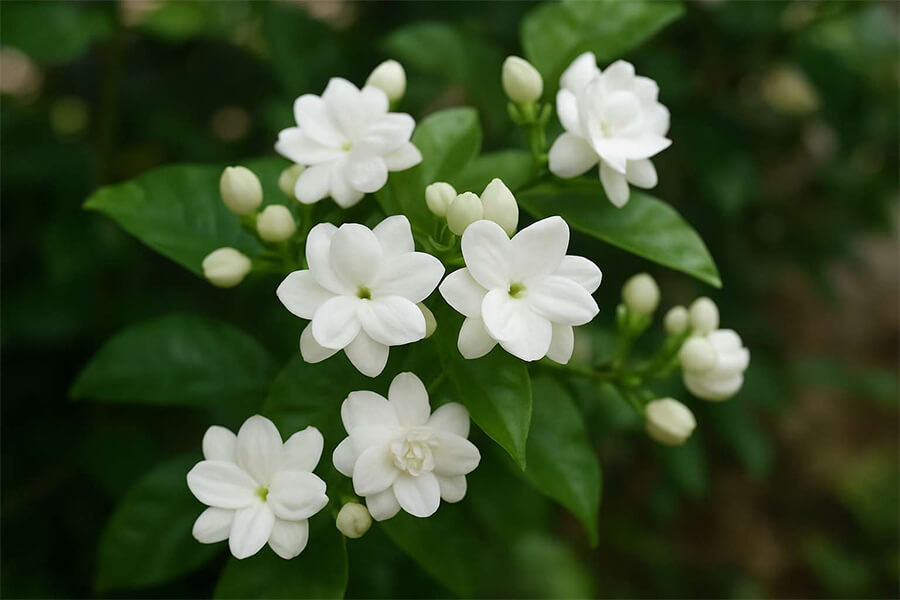
Travelers often tell me that smelling Melati Putih for the first time feels like stepping into the heart of Indonesian hospitality. The plant grows easily in home gardens and temple courtyards, making it accessible yet profoundly meaningful. During cultural workshops we organize, guests learn to string their own jasmine garlands, gaining a hands-on appreciation for why this humble flower became the national flower of Indonesia.
Anggrek Bulan as a National Flower Indonesia Symbol
Anggrek Bulan, the moon orchid or Phalaenopsis amabilis, earned its title as the flower of charm through sheer elegance. Its pristine white petals, sometimes tinged with soft pink or yellow at the center, can remain in bloom for up to six months - longer than almost any other orchid. The graceful arch of its inflorescence and the way it seems to glow under moonlight gave it the name “moon orchid.”
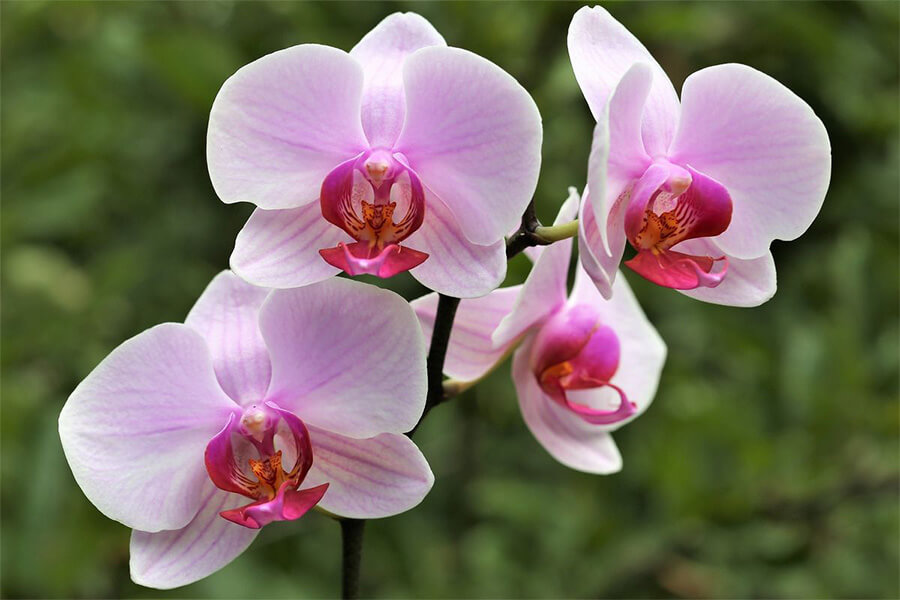
This Indonesia national flower symbol thrives in the humid lowlands and is widely cultivated across the archipelago. Its five-part structure again mirrors Pancasila, reinforcing national values through natural beauty. In my experience guiding photographers and nature lovers, Anggrek Bulan never fails to inspire. It appears on postage stamps and official emblems, yet its true magic unfolds when you see wild specimens clinging to trees in protected forests. The moon orchid represents grace under pressure, surviving in varied conditions while maintaining its exquisite form.
Padma Raksasa and Its Place as a National Indonesian Flower
Padma Raksasa, scientifically Rafflesia arnoldii, is the giant among giants - the largest individual flower on Earth, measuring up to one meter across and weighing several kilograms. Known also as the corpse flower because of its pungent odor, it is paradoxically one of Indonesia’s most treasured symbols. Designated the rare flower or Puspa Langka, Padma Raksasa highlights the country’s commitment to protecting unique biodiversity found nowhere else on the planet.
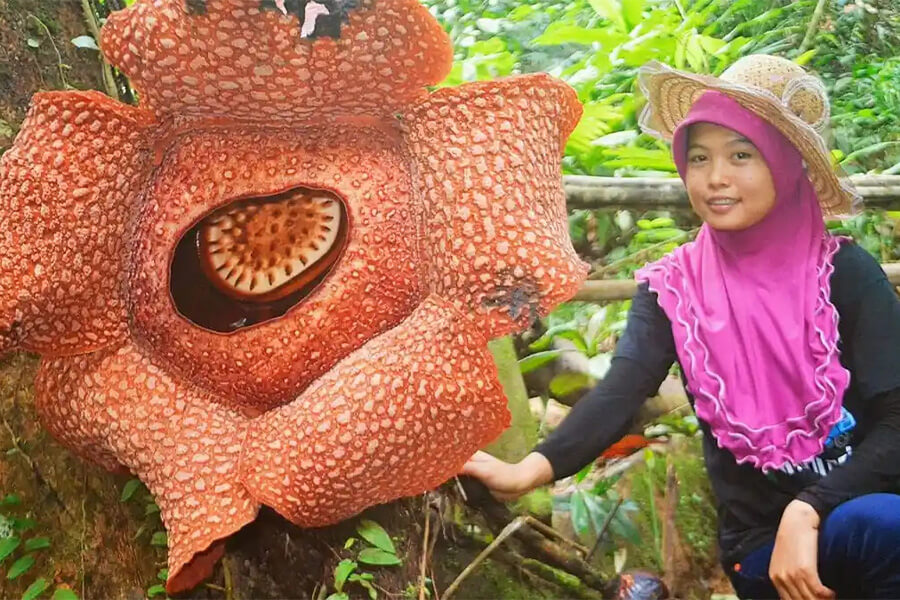
This parasitic plant has no leaves, stems, or roots of its own; it grows inside a host vine in the rainforests of Sumatra and Borneo. When it finally blooms after years of hidden growth, the event becomes front-page news. Its inclusion as part of the Indonesian national flower trio reminds citizens and visitors alike that rarity and even strangeness deserve celebration. In over a decade of organizing expeditions to see Padma Raksasa in the wild, I have witnessed the profound silence that falls over a group when the massive bloom first comes into view. It is a humbling reminder of nature’s power and Indonesia’s responsibility as steward of such wonders.
The Meaning of Each Indonesian National Flower
Each of Indonesia’s three national flowers carries layers of symbolism that enrich daily life and national identity. Understanding these meanings transforms a simple garden visit into a profound cultural journey.
What Melati Putih Represents
Melati Putih stands for purity, simplicity, and sincerity. Its white color signifies an untainted heart, while its sweet yet subtle fragrance teaches that true beauty needs no ostentation. In traditional Javanese and Balinese culture, the flower is used in spiritual cleansing rituals and placed on the heads of dancers to invoke grace. It also symbolizes eternal love and fidelity, which is why it features so prominently in wedding ceremonies nationwide.
The national flower of Indonesia carries a message of humility: even the smallest bloom can perfume an entire garden. Travelers who join our temple tours often return home with a deeper appreciation for living simply yet meaningfully after learning the lessons Melati Putih imparts.
The Symbolism of Anggrek Bulan
Anggrek Bulan embodies charm, resilience, and aesthetic perfection. Its ability to bloom for months on end represents enduring beauty and patience. The moon orchid’s widespread presence across Indonesia’s islands speaks to accessibility and inclusiveness. Its five petals are interpreted as a natural embodiment of Pancasila — belief in one God, just and civilized humanity, unity of Indonesia, democracy guided by wisdom, and social justice for all.
This Indonesia national flower reminds citizens that elegance can coexist with strength. In my experience escorting international guests through orchid nurseries in West Java, the moon orchid consistently sparks conversations about balance in life and society.
The Unique Meaning of Padma Raksasa
Padma Raksasa celebrates rarity, uniqueness, and the miracle of survival against the odds. As the world’s largest flower, it symbolizes Indonesia’s extraordinary natural heritage and the importance of conservation. Its parasitic lifestyle teaches respect for complex ecosystems where every species plays an interconnected role. Though its scent may repel some, locals view the bloom as a rare gift from the forest spirits.
Including this national Indonesian flower among the official trio underscores that Indonesia values every part of its biodiversity, from the delicate jasmine to the colossal rafflesia. Conservationists and eco-tourists I have guided over the years often describe their first sighting of Padma Raksasa as a life-changing moment of awe and environmental awakening.
Which Flower Is the Most Famous National Flower of Indonesia?
While all three blossoms hold equal official status, Melati Putih remains the most widely recognized Indonesia national flower in both domestic and international contexts. Its everyday presence in homes, markets, and ceremonies makes it instantly familiar to Indonesians of every age. Children learn about Melati Putih in school, and it appears in songs, poetry, and national celebrations far more frequently than its companions.
Anggrek Bulan follows closely in popularity, especially among orchid enthusiasts and younger generations who appreciate its ornamental beauty. Padma Raksasa, though less commonly seen, generates tremendous excitement whenever it blooms, drawing scientists, photographers, and curious travelers from around the globe.
In our analysis of visitor feedback and cultural references over many years, At Go Indonesia Tours, we analyzed thousands of traveler stories and found that Melati Putih consistently ranks first in emotional connection. Yet the true magic lies in experiencing all three together. The Indonesia national flower trio works in harmony, each enhancing the story of the others and creating a complete picture of Indonesian identity.
Where Can You See Indonesia’s National Flowers?
Witnessing the Indonesia national flower in its various forms is one of the most rewarding experiences for visitors. Indonesia offers countless opportunities to encounter these symbols both in the wild and in cultivated settings.
Gardens, Forests, and Natural Habitats
The world-famous Kebun Raya Bogor (Bogor Botanical Gardens) houses magnificent collections of all three flowers. Here, Melati Putih hedges line pathways, Anggrek Bulan specimens bloom year-round in dedicated orchid houses, and educational displays explain the life cycle of Padma Raksasa. Further afield, Sumatra’s Bukit Barisan Selatan National Park and Bengkulu’s protected forests provide the best chances to see wild Rafflesia blooms, while moon orchids thrive in the misty highlands of Java and Bali.
Practical tip from years of guiding: visit Bogor early in the morning when the jasmine fragrance is strongest and the crowds are lightest. For Padma Raksasa, patience is essential - blooms are unpredictable, so joining a specialized tour with local rangers increases your chances dramatically.
National Events and Cultural Ceremonies
Independence Day celebrations on 17 August feature lavish displays of Melati Putih garlands and floral floats. Cultural festivals across the archipelago incorporate all three flowers into performances and decorations. The annual Cirebon Flower Festival and Tomohon International Flower Festival showcase stunning arrangements that highlight the national flower of Indonesia in creative ways. During wedding season in Bali and Java, Melati Putih appears everywhere, offering visitors an authentic glimpse into living tradition.
Museums, Parks, and Botanical Collections
Jakarta’s Taman Mini Indonesia Indah includes regional pavilions with representative gardens featuring local flora alongside national symbols. The Indonesian Orchid Society maintains excellent collections open to the public, while university botanical gardens in Yogyakarta and Bandung provide scholarly yet accessible views of Anggrek Bulan varieties. For those unable to reach remote forests, these urban sanctuaries offer beautiful introductions to the Indonesian national flower heritage.
Faqs About National Flower Of Indonesia
Many travelers ask why Indonesia chose three flowers instead of one. The answer lies in the desire to honor both common cultural staples and rare natural treasures while reflecting the nation’s incredible diversity.
What exactly is the Indonesia national flower called in Indonesian?
Melati Putih is Puspa Bangsa, Anggrek Bulan is Puspa Pesona, and Padma Raksasa is Puspa Langka. Each name carries official weight and cultural resonance.
Can visitors purchase seeds or plants of these flowers to take home?
Regulations are strict to protect biodiversity. Melati Putih and Anggrek Bulan are widely available through licensed nurseries, but exporting Padma Raksasa is strictly prohibited due to its endangered status.
When is the best time to see each bloom?
Melati Putih flowers almost continuously, Anggrek Bulan peaks during the drier months from May to September, and Padma Raksasa appears unpredictably but most often between November and March in Sumatra.
Are these flowers protected by law?
Yes. All three enjoy special status, and habitats of Padma Raksasa and wild Anggrek Bulan are safeguarded within national parks and conservation areas. Responsible tourism plays a vital role in their preservation.
How do the three flowers connect to Pancasila?
The five-petal structure shared by Melati Putih and Anggrek Bulan directly symbolizes Indonesia’s five guiding principles, while Padma Raksasa reminds citizens of the need to protect the unique natural foundation upon which the nation stands.
Is it possible to see all three national flower Indonesia symbols in a single trip?
Absolutely. A well-planned two-week itinerary combining Bogor, a Sumatra rainforest trek, and cultural sites in Java or Bali allows travelers to experience the complete floral story. Our specialized tours are designed precisely for this purpose.
What makes the Indonesia national flower unique compared to other countries?
No other nation has officially recognized three distinct floral emblems that span everyday life, ornamental beauty, and extreme rarity. This thoughtful choice perfectly captures Indonesia’s essence - diverse yet unified.
Exploring the Indonesia national flower trio offers far more than pretty pictures. It opens doors to understanding Indonesian values, history, and environmental stewardship. Whether you inhale the sweet perfume of Melati Putih at dawn in a Balinese temple, marvel at the moon orchid’s graceful arch in a highland garden, or stand speechless before the colossal Padma Raksasa in a Sumatran rainforest, these flowers leave an indelible impression.
Indonesia’s decision to embrace three national flowers instead of one reflects a mature, inclusive worldview that celebrates difference while fostering unity. For travelers seeking authentic cultural depth, few experiences rival witnessing these living symbols in their homeland. The national flower of Indonesia is not merely decorative - it is a heartfelt invitation to appreciate the extraordinary within the ordinary, the rare within the familiar, and the beautiful within the complex.
As you plan your journey, remember that every garland, every bloom, and every protected habitat tells part of a greater story - one that continues to unfold across the world’s largest archipelago. The Indonesia national flower awaits those ready to listen, observe, and carry its lessons home.