

Indonesia is one of Southeast Asia's most rewarding destinations, with over 17,000 islands, ancient temples, volcanic landscapes, and a culture as diverse as its geography. Whether you're booking one of the many popular Indonesia tours through Bali, Java, or Lombok, or planning an independent backpacking trip, a little preparation goes a long way. Many visitors arrive with great enthusiasm but limited understanding of local customs, regulations, and practical realities, leading to avoidable frustrations. This guide covers the most important things should avoid when travelling to Indonesia, drawn from years of regional travel reporting and firsthand traveler experiences, so you can enjoy a smoother, safer, and more respectful journey.
Things to Avoid in Indonesia Before Your Trip
Preparation often determines whether a trip starts smoothly or with unnecessary stress. The mistakes below are some of the most common, and easiest to prevent.
Ignoring Visa and Entry Requirements
One of the most frequent Indonesia travel mistakes happens before travelers even board their flight. Indonesia offers visa-free entry and visa-on-arrival options for many nationalities, but the rules vary by passport and length of stay, and they do change periodically. Travelers who assume their visa status without checking official sources risk being denied boarding or facing fines at immigration.
Always verify current requirements through Indonesia's official immigration website or your home country's embassy before departure, and ensure your passport has at least six months of validity remaining, since this is a standard requirement enforced at entry points like Ngurah Rai International Airport in Bali and Soekarno-Hatta in Jakarta.
Traveling Without Comprehensive Travel Insurance
Skipping travel insurance is a costly gamble in a country where medical evacuation from remote islands can run into tens of thousands of dollars. Indonesia's healthcare facilities vary dramatically by region; Jakarta and Bali have internationally accredited hospitals, but smaller islands often lack advanced emergency care. A comprehensive policy covering medical treatment, evacuation, trip cancellation, and adventure activities like diving or volcano trekking is essential. This is one of the simplest Indonesia travel tips experienced travelers consistently emphasize, yet it remains widely overlooked.
Underestimating Indonesia's Geography and Travel Distances
Indonesia is the world's largest archipelago, stretching roughly 5,100 kilometers from west to east, a distance comparable to crossing the continental United States. Many first-time visitors mistakenly plan itineraries assuming islands are close together, only to discover that flights between regions like Sumatra and Papua can take several hours, and inter-island ferries are often slower and less predictable than expected. Building realistic travel times into your itinerary, and confirming ferry or domestic flight schedules in advance, prevents missed connections and wasted vacation days.
What Not to Do in Indonesia: Cultural Mistakes to Avoid
Understanding what not to do in Indonesia culturally is essential, since the country is home to over 300 ethnic groups and a strong tradition of religious and social respect.

Disrespecting Religious Sites and Sacred Places
Indonesia is predominantly Muslim, with significant Hindu, Buddhist, and Christian communities, particularly in Bali and parts of eastern Indonesia. Temples, mosques, and shrines are active places of worship, not simply photo backdrops. Climbing on temple structures, sitting on sacred stones, or speaking loudly during ceremonies is considered deeply disrespectful. At sites such as Borobudur or Prambanan, both UNESCO World Heritage Sites, visitors are expected to follow posted guidelines and defer to local customs, even when not explicitly enforced by staff.
Wearing Inappropriate Clothing in Temples
Modest dress is required at most religious sites across Indonesia. In Bali, this typically means wearing a sarong and sash, which are often available for rent or borrowing at temple entrances. Sleeveless tops, short shorts, and swimwear are generally inappropriate at these locations. This rule extends to mosques in Java and Sumatra, where covering shoulders and knees, and removing shoes before entering, is standard practice. Carrying a lightweight scarf or sarong in your day bag is a practical habit many seasoned travelers maintain.
Touching Someone's Head or Pointing with Your Feet
In Indonesian culture, the head is considered the most sacred part of the body, while feet are viewed as the lowest and least respectful. Touching another person's head, even a child's, in a casual or affectionate way can be considered offensive. Similarly, pointing at people or objects with your feet, or showing the soles of your feet toward someone, particularly an elder or religious figure, is considered rude. These gestures may seem minor to outsiders, but they reflect deeply rooted social values across Java, Bali, and beyond.
Public Displays of Affection in Conservative Areas
While Bali's tourist areas are relatively relaxed, much of Indonesia remains socially conservative, especially in regions like Aceh, which follows Sharia law. Holding hands is generally acceptable, but kissing or more overt displays of affection in public are frowned upon outside of tourist enclaves. Travelers should observe local norms in each region rather than assuming the customs of one island apply nationwide.
Indonesia Travel Mistakes Related to Transportation
Transportation is where many visitors encounter their first real test of patience, and where several common things to avoid in Indonesia come into play.
Trusting Unlicensed Taxi Drivers
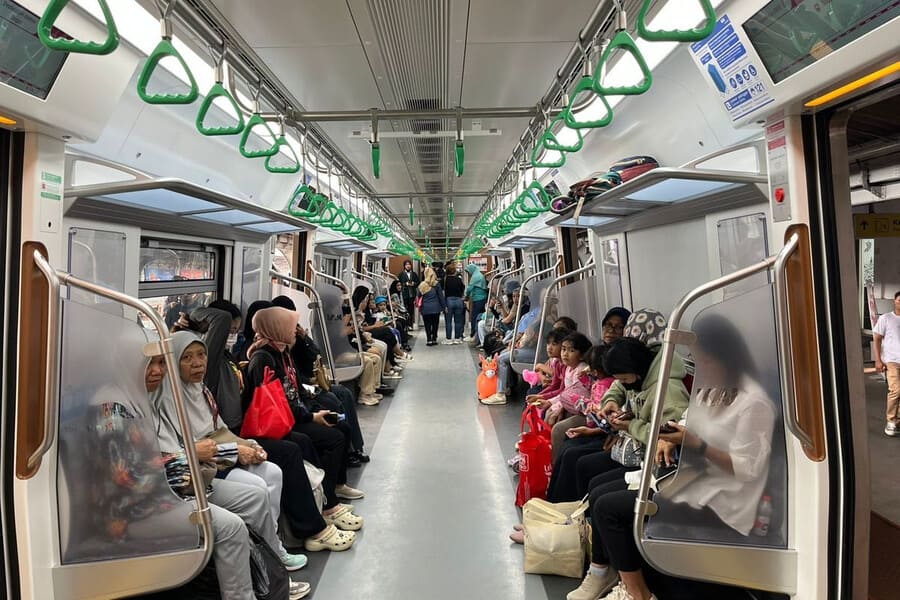
Unlicensed taxis and unofficial airport touts are a known issue in tourist hubs like Bali and Jakarta. These drivers often quote inflated fares with no meter or fixed pricing, and disputes can escalate uncomfortably. Reputable options include licensed taxi companies such as Blue Bird, which uses metered fares and is widely regarded as trustworthy, or established ride-hailing apps like Gojek and Grab, which are popular throughout Indonesia and provide transparent pricing and driver tracking.
Ignoring Traffic Conditions and Travel Times
Jakarta and Denpasar are notorious for heavy traffic, particularly during rush hours and rainy season. Travelers who underestimate congestion often miss flights or tours. It's wise to build extra buffer time into airport transfers and inter-city travel, especially in Bali's southern tourist corridor, where a short distance on a map can take well over an hour during peak periods.
Riding a Motorbike Without a Valid License
Renting a scooter is a popular way to explore Bali and Lombok, but riding without an International Driving Permit and proper motorbike endorsement is both illegal and a significant insurance risk. Indonesian traffic police do conduct checks, particularly in tourist areas, and travelers without proper documentation can face fines or have their insurance claims denied following an accident. Motorbike accidents are also one of the leading causes of travel injuries in Bali, so wearing a helmet and gaining confidence on quieter roads before tackling busy streets is strongly advised.
Food and Health Mistakes to Avoid in Indonesia
Indonesia's culinary scene is a highlight for most visitors, but a few precautions help prevent illness from disrupting your trip.

Drinking Untreated Tap Water
Tap water in Indonesia is not safe to drink directly, even in major cities. Bottled or filtered water is widely available and inexpensive, and many hotels now provide refillable filtered water stations to reduce plastic waste. It's also worth checking that ice in drinks comes from purified water, particularly at smaller, local establishments.
Eating Street Food Without Checking Hygiene Standards
Street food, such as nasi goreng, sate, and gado-gado, is a genuine highlight of Indonesian travel, and avoiding it entirely would mean missing some of the country's best culinary experiences. That said, choosing stalls with high turnover, visible cleanliness, and freshly cooked food reduces the risk of foodborne illness. A useful habit is observing where locals queue, since busy stalls typically indicate fresh ingredients and food safety.
Forgetting Mosquito Protection in Tropical Regions
Mosquito-borne illnesses, including dengue fever, remain present in parts of Indonesia, particularly during and after rainy season. Packing insect repellent with DEET or picaridin, wearing long sleeves during dusk hours, and using accommodation with proper screening are simple, effective precautions recommended by travel health authorities such as the CDC and WHO.
Safety Mistakes Travelers Should Avoid
A few sensible precautions can prevent the vast majority of safety issues travelers encounter in Indonesia.
Carrying Large Amounts of Cash
While cash is still commonly used outside major tourist areas, carrying excessive amounts increases the risk of theft or loss. ATMs are widely available in cities and tourist zones, and many businesses now accept digital payments through apps like Gojek's GoPay. Withdrawing smaller amounts as needed, and using a money belt or secure bag for cash, is a simple precaution.
Leaving Valuables Unattended on Beaches
Petty theft on popular beaches, particularly in Bali and Lombok, is an occasional but real concern. Leaving phones, cameras, or bags unattended while swimming is one of the more common Indonesia travel mistakes reported by visitors. Using a waterproof pouch worn on your body, or asking a trusted companion to watch belongings, significantly reduces this risk.
Ignoring Local Weather and Natural Hazard Warnings
Indonesia sits along the Pacific Ring of Fire and experiences seasonal monsoons, occasional earthquakes, and volcanic activity. Travelers should monitor advisories from Indonesia's Meteorology, Climatology, and Geophysical Agency (BMKG) and respect closures around active volcanoes such as Mount Agung or Mount Bromo. Ignoring official hazard warnings, particularly around volcanic exclusion zones, has led to serious incidents in the past.
Things to Avoid in Indonesia's Popular Tourist Destinations
Indonesia's most visited sites each come with specific etiquette and safety considerations.
Breaking Rules at Bali's Sacred Temples
Beyond dress codes, certain temples restrict entry for menstruating women due to traditional Balinese Hindu beliefs, and some inner sanctums are reserved exclusively for worshippers. Respecting posted signage and following guidance from temple staff reflects basic cultural awareness and helps preserve access for future visitors.
Disturbing Wildlife in National Parks
Komodo National Park, home to the famous Komodo dragon, and other protected areas across Indonesia have strict rules regarding wildlife interaction. Feeding animals, approaching too closely for photos, or straying from marked trails not only endangers visitors but disrupts fragile ecosystems. Always travel with a licensed park ranger or guide, as required by Komodo National Park's official regulations.
Taking Risky Photos at Cliffs and Volcanoes
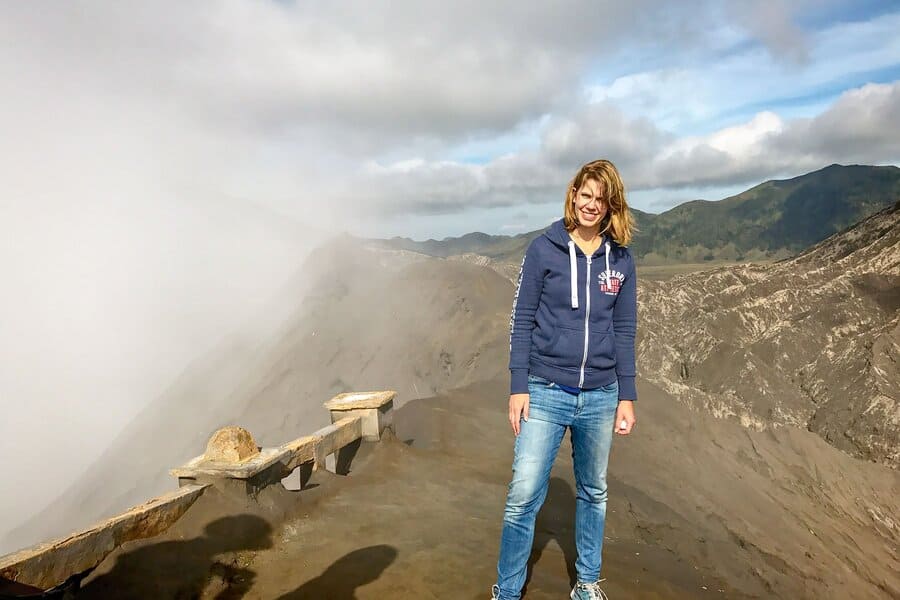
Social media has contributed to a rise in dangerous photo attempts at locations like Mount Bromo's crater edge or Bali's clifftop temples such as Uluwatu. Several serious injuries and fatalities have occurred from travelers stepping beyond safety barriers for a better shot. No photograph is worth risking your life, and respecting marked boundaries is a basic but essential safety practice.
Legal and Social Behaviors to Avoid in Indonesia
Understanding Indonesia's legal framework is essential, as enforcement can be strict and consequences severe.
Violating Indonesia's Strict Drug Laws
Indonesia enforces some of the world's harshest drug laws, including the death penalty for trafficking offenses. Even small amounts of recreational drugs can result in lengthy prison sentences. This is not an area where ignorance is treated leniently by authorities, and travelers should take this law as seriously as any other aspect of their trip planning.
Disrespecting Local Authorities
Arguing aggressively with police officers, immigration staff, or park officials rarely improves a situation in Indonesia and can escalate minor issues into serious problems. Maintaining a calm, respectful demeanor, even during disagreements over fines or fees, is the most effective approach. If you believe you're being treated unfairly, contacting your embassy is a more productive route than confrontation.
Flying Drones in Restricted Areas Without Permission
Drone use is popular for capturing Indonesia's stunning landscapes, but regulations require permits in many areas, particularly near airports, military installations, and certain religious or cultural sites. Flying without authorization can result in confiscation of equipment and fines. Checking current drone regulations through Indonesia's Directorate General of Civil Aviation before your trip avoids this entirely preventable issue.
Final Thoughts
Indonesia rewards travelers who approach the country with curiosity, respect, and a reasonable amount of preparation. Most of the Indonesia travel mistakes outlined here are easily avoidable with basic research and common sense, yet they remain common precisely because travelers underestimate how different regional customs, infrastructure, and regulations can be across this vast archipelago.
By understanding what not to do in Indonesia, respecting local traditions, and following practical Indonesia travel tips like securing proper insurance, verifying transportation options, and respecting natural hazard warnings, you set yourself up for a trip defined by genuine cultural connection rather than avoidable setbacks. Indonesia's temples, volcanoes, and islands have welcomed travelers for generations, and a little informed preparation ensures you leave with nothing but good memories.