
High in the misty mountains of South Sulawesi lies a culture so distinct from the rest of Indonesia that many travelers describe visiting as stepping into another world entirely. Toraja is not just another stop on a checklist of Indonesia tours; it is one of the few places on earth where death is treated not as an end, but as a gradual, deeply social transition. For anyone planning Indonesia tours that go beyond beaches and volcanoes, Toraja offers a rare opportunity to witness funeral traditions that have survived for centuries, largely unchanged despite modernization. This article draws on cultural research, firsthand travel accounts, and established anthropological sources to give you an accurate, respectful, and detailed understanding of Toraja's death rituals and burial customs.
Who Are the Toraja People of Sulawesi?
The Toraja are an ethnic group native to the highlands of South Sulawesi, numbering around one million people, many of whom still practice a belief system known as Aluk To Dolo, or "the way of the ancestors." While a majority of Toraja today identify as Christian due to Dutch missionary influence in the early twentieth century, traditional animist beliefs remain deeply woven into daily life, especially when it comes to death and burial.
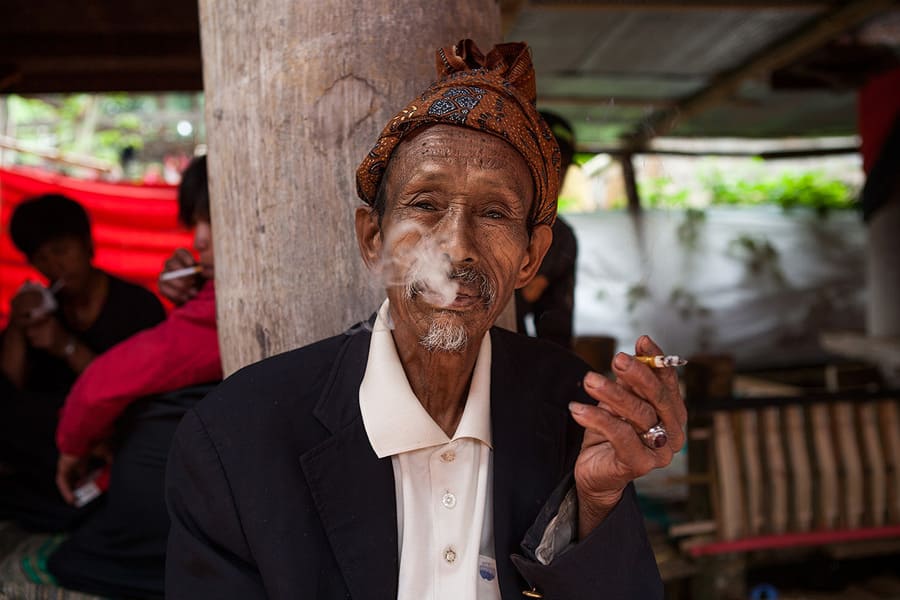
What makes the Toraja particularly fascinating to anthropologists and travelers alike is how seamlessly they have blended Christian faith with ancestral customs. It is common to see a Toraja family attend church on Sunday and then host a traditional animal sacrifice ceremony for a deceased relative the following week. This duality is not seen as contradictory by the Toraja themselves; rather, it reflects a layered identity shaped by centuries of isolation, trade, and gradual outside contact.
Toraja society is also known for its distinctive tongkonan houses, the traditional ancestral homes with dramatic boat-shaped roofs that curve upward at both ends. These structures are not merely architectural curiosities; they serve as the social and spiritual center of extended family groups, and they play a critical role in funeral ceremonies, which we will explore in detail below.
Where Is Toraja Located in Indonesia?
The Geography of Tana Toraja
Tana Toraja, meaning "land of the Toraja," sits in the mountainous interior of South Sulawesi province, roughly 300 kilometers north of the provincial capital, Makassar. The region is characterized by steep limestone cliffs, terraced rice fields, and dense tropical forest, a topography that historically isolated the Toraja from coastal trade routes and helped preserve their unique customs.
The two main hubs for travelers are Rantepao and Makale, both of which serve as practical bases for exploring surrounding villages, burial sites, and ceremonial grounds. Elevations in the region range from roughly 500 to 1,800 meters above sea level, giving Toraja a notably cooler climate than the lowland coastal cities of Sulawesi, a welcome relief for travelers used to Indonesia's tropical heat.
How to Reach Toraja from Major Indonesian Cities
Most visitors fly into Sultan Hasanuddin International Airport in Makassar before continuing overland to Toraja. The journey by road typically takes seven to eight hours, winding through scenic mountain passes and small towns. Several airlines also operate smaller flights connecting Makassar to Pongtiku Airport near Rantepao, cutting travel time significantly, though schedules can be limited and weather-dependent.
For travelers coming from Bali or Jakarta, the most efficient route is usually a connecting flight through Makassar. Many tour operators offering Indonesia tours package Toraja as part of a broader Sulawesi itinerary, often combining it with diving trips to Wakatobi or Bunaken, given the island's reputation for both cultural depth and natural beauty.
Understanding the Toraja Death Ritual Culture
Why Death Holds a Special Meaning in Toraja Society
In most cultures, death marks a clear and immediate separation between the living and the deceased. In Toraja death ritual culture, however, death is understood as a gradual process rather than a single event. A person who has died is not considered truly "dead" in the spiritual sense until an elaborate funeral ceremony, known as Rambu Solo, has been performed. Until that ceremony takes place, which can be months or even years after biological death, the deceased is referred to as "makula," meaning sick, and is kept at home, wrapped in cloth, and symbolically cared for by the family.
This belief stems from the idea that the soul of the deceased must be properly guided to Puya, the land of souls, and that this transition requires significant ceremonial preparation. Families often delay funerals not out of negligence, but because hosting a proper Rambu Solo requires substantial financial resources, the gathering of extended relatives from across Indonesia, and the careful planning of livestock sacrifices, feasting, and ritual structures.
The Spiritual Beliefs Behind Toraja Funeral Ceremonies
The spiritual framework behind Toraja burial traditions is rooted in Aluk To Dolo, which holds that the universe is divided into the upper world, the human world, and the underworld. Funeral rites serve as the bridge between these realms, ensuring the soul's safe passage. Buffalo sacrifice plays a central role in this belief system, as the animal is thought to carry the soul of the deceased to the afterlife. The number of buffalo sacrificed often reflects the social status of the deceased's family, with high-status funerals sometimes involving dozens of animals.
Anthropologists, including those referenced in studies published by institutions such as the Smithsonian and various Indonesian cultural heritage bodies, have long noted that this belief system represents one of the most well-documented examples of ancestor veneration still actively practiced in Southeast Asia today.
What Happens During a Toraja Death Ritual?
The Period Between Death and Burial
The interval between physical death and the final funeral ceremony is one of the most striking aspects of the Toraja death ritual. During this time, the body is embalmed using traditional methods, often involving formalin in modern practice, and kept within the family home. The deceased is treated, in many respects, as a living member of the household: meals may be symbolically offered, and family members continue to speak to and about the person as though they are simply unwell.
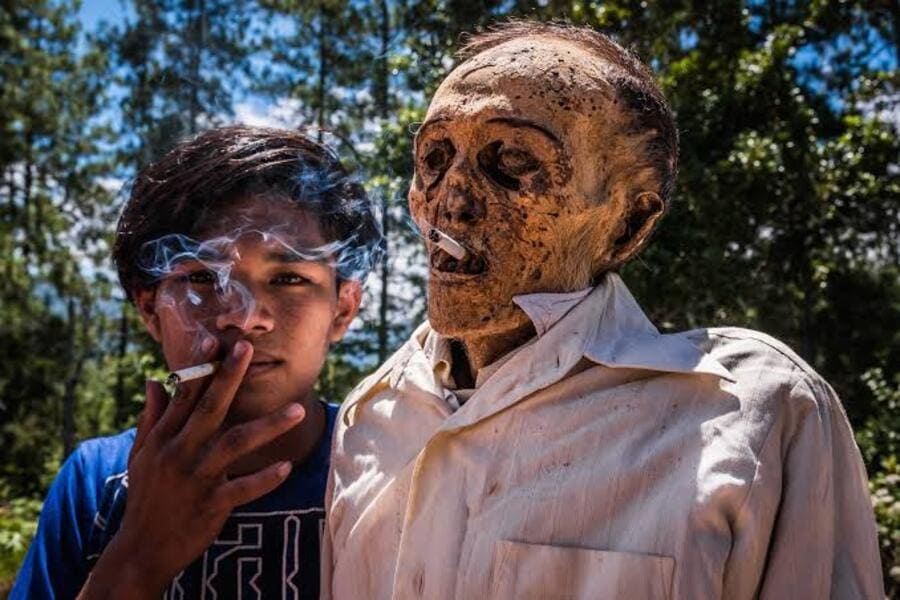
This practice can understandably surprise first-time visitors, but it is essential to understand that this is not denial or superstition in the way outsiders might assume. It is a deliberate cultural framework that allows families time to gather resources and relatives before the soul is ceremonially released.
Preparation for the Grand Funeral Ceremony
Once the family is ready, often after extensive saving and planning, preparations for the Rambu Solo begin. This includes constructing temporary bamboo structures called lakkian to house guests, arranging for the sacrifice of buffalo and pigs, and notifying extended family members who may travel from Jakarta, Kalimantan, or even overseas to attend. It is not unusual for a single funeral to host hundreds of guests over several days.
Status plays a significant role in determining the scale of the ceremony. A high-ranking noble's funeral may involve the sacrifice of twenty or more buffalo, including rare and expensive albino buffalo known as "tedong bonga," which can cost the equivalent of tens of thousands of dollars each. These ceremonies are not simply expressions of grief; they are public demonstrations of social standing, family unity, and respect for the deceased.
Traditional Processions and Community Participation
On the day of the main ceremony, the body is carried in procession from the tongkonan to the ceremonial field, often accompanied by chanting, traditional music, and symbolic dance. Buffalo fights, known as "tedong silaga," are sometimes held as part of the entertainment and tension-release surrounding the event. The slaughter of buffalo, while difficult for some visitors to witness, is considered a sacred act rather than a spectacle, and is typically carried out with specific ritual protocols.
After the ceremony, the body is finally taken to its resting place, which may be a cliffside grave carved into limestone, a cave, or a hanging grave suspended from rock faces. These Toraja burial traditions reflect the belief that placing the dead closer to the sky aids the soul's journey upward. Some elite graves are guarded by tau tau, life-sized wooden effigies carved to resemble the deceased, which stand watch over the burial site for generations.
Ma'Nene – The Ceremony of Caring for Ancestors
The Meaning Behind the Ritual
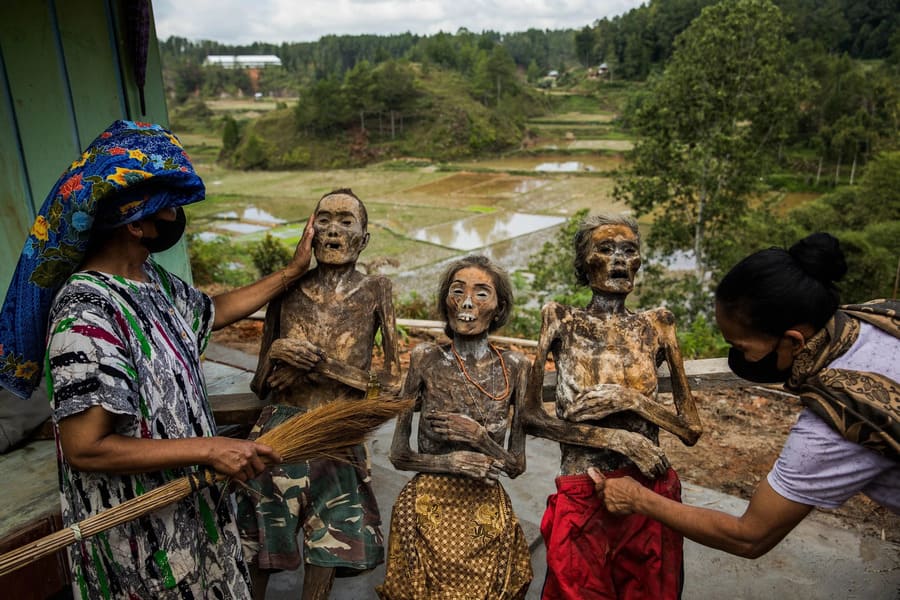
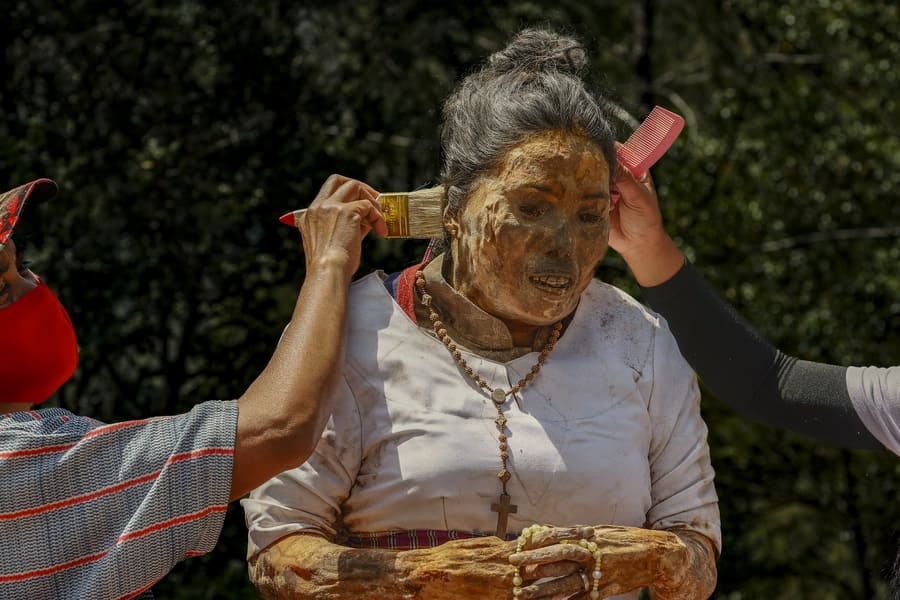
Perhaps no aspect of Toraja culture captures global curiosity quite like Ma'Nene, often referred to by visitors as the "ritual of the walking dead." Conducted every August in certain villages, particularly around the Baruppu area, Ma'Nene involves families removing the preserved bodies of their ancestors from their graves, cleaning them, redressing them in fresh clothing, and parading them through the village before returning them to their resting place.
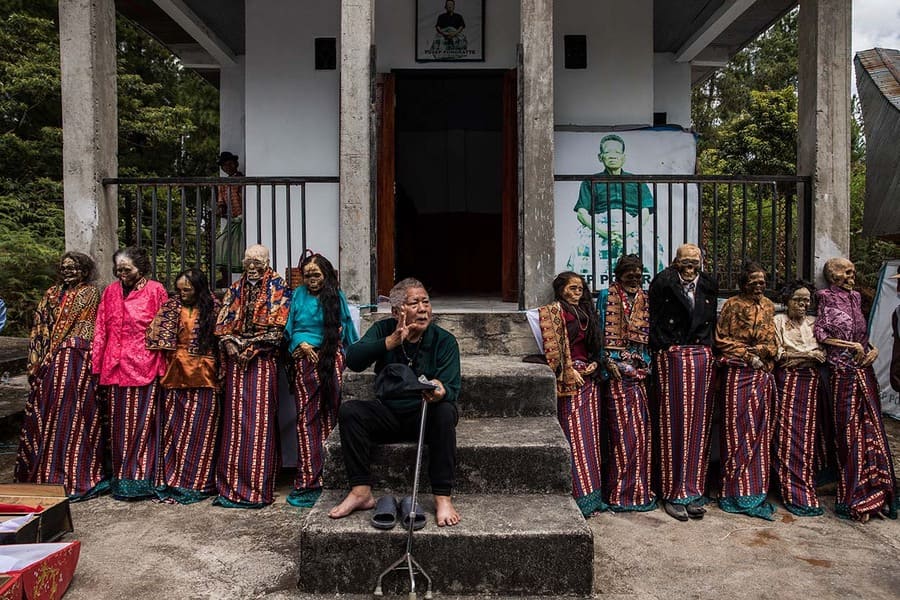
This practice should not be mistaken for the popularized horror-film imagery sometimes associated with it online. Ma'Nene is, at its core, an act of devotion and continuity. It reaffirms the Toraja belief that ancestors remain active members of the family and community, deserving of ongoing care and respect even decades after death.
How Families Honor Their Deceased Relatives
During Ma'Nene, family members gather to clean and sometimes repair the remains, replace decomposed clothing with new garments, and take photographs alongside their ancestors, a practice that has gained attention on social media in recent years. Far from being a morbid spectacle, the ceremony is approached with tenderness and seriousness. Elders pass down stories about the deceased to younger generations during the event, ensuring that family history and identity remain intact.
For travelers fortunate enough to witness Ma'Nene respectfully, with permission from local guides and family members, it offers a profound look into how the Toraja maintain an unbroken bond between the living and the dead, a theme that runs through nearly every aspect of their cultural identity.
Frequently Asked Questions About Toraja Death Rituals and Burial Traditions
What is the Toraja death ritual?
The Toraja death ritual, known locally as Rambu Solo, is an elaborate funeral ceremony that may take place months or years after a person's biological death. It involves buffalo sacrifice, large community gatherings, and symbolic processions believed to guide the soul of the deceased to the afterlife, known as Puya.
Why are Toraja funeral ceremonies so elaborate?
Toraja funeral ceremonies are elaborate because death is viewed as a gradual spiritual transition rather than an immediate event. Families invest significant time, money, and community effort into the ceremony to honor the deceased properly, reflect their social status, and ensure the soul's safe passage to the afterlife.
What are the most unique Toraja burial traditions?
Among the most distinctive Toraja burial traditions are cliffside graves carved into limestone cliffs, hanging coffins suspended from rock faces, baby graves carved into living trees, and the Ma'Nene ceremony, during which mummified ancestors are exhumed, cleaned, and redressed by their families.
Can tourists attend Toraja death rituals?
Yes, tourists are generally welcome to attend Toraja funeral ceremonies, including Rambu Solo, provided they show respect, dress modestly, and ideally attend with a local guide who can explain etiquette and secure appropriate permission from the hosting family. Photography should always be approached with sensitivity and, when possible, with consent.
Toraja remains one of the most culturally rich and least commercialized destinations in Indonesia, offering travelers a rare window into a belief system where death does not sever family bonds but transforms them. For anyone seeking Indonesia tours that go beyond the ordinary, a respectful, well-guided visit to Tana Toraja provides not only extraordinary photographs but a genuine education in how different cultures understand mortality, memory, and meaning.