
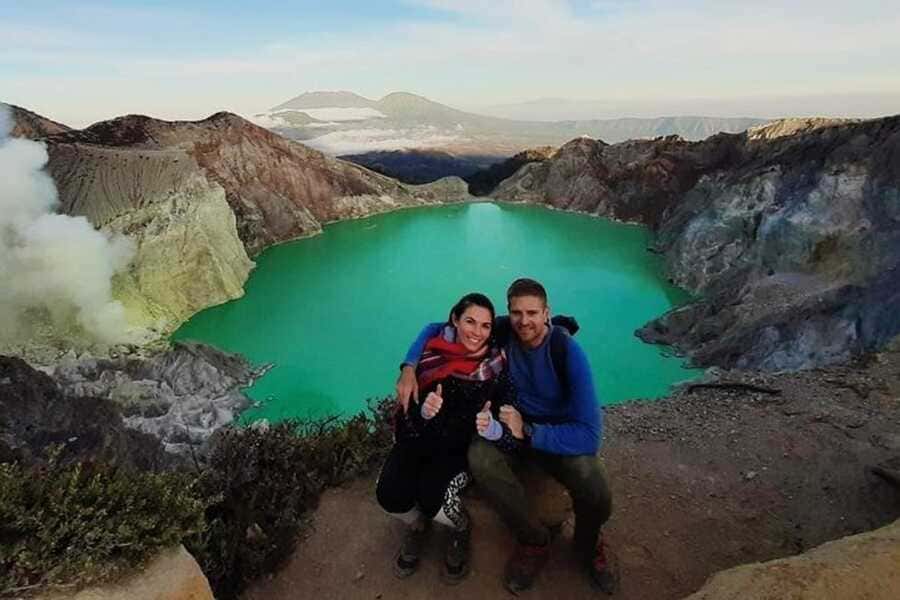
Few destinations on earth pair raw geological drama with quiet human resilience the way Kawah Ijen does. Tucked into the eastern edge of Java, this volcano draws hikers, photographers, and curious travelers who want to see something genuinely rare: an electric-blue flame flickering against pitch-black darkness, and a turquoise lake so acidic it could dissolve metal. For anyone building an Indonesia tours itinerary around East Java, Kawah Ijen deserves a spot near the top of the list, not just for its bucket-list scenery but for the deeper story it tells about volcanic activity, sulfur mining, and the resourcefulness of the people who call this region home.
This guide draws on first-hand trekking reports, established travel resources, and verified safety data to give you a clear, honest picture of what to expect, how to prepare, and why this site has earned its reputation among the world's volcanic landmarks.
What Is Kawah Ijen?
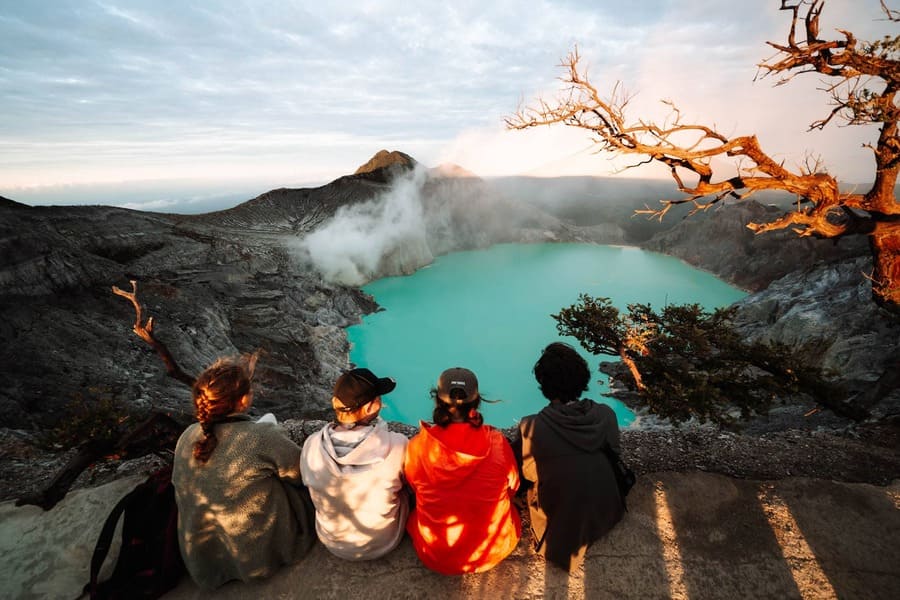
Kawah Ijen is a volcanic crater located within the larger Ijen volcano complex, straddling the border of Banyuwangi and Bondowoso regencies in East Java, Indonesia. The crater sits at roughly 2,386 meters above sea level and is best known for two phenomena rarely found anywhere else on the planet: the surreal blue flames that dance across sulfur vents in the dead of night, and the vast, glowing turquoise lake that fills the caldera below.
The kawah ijen lake is widely recognized as the largest highly acidic crater lake in the world, with a pH that has been measured close to zero in some areas, making it almost as corrosive as battery acid. This combination of chemistry and color is what gives the lake its otherworldly blue-green hue, a result of dissolved metals and sulfur compounds reacting with sunlight.
Beyond the visual spectacle, the site is also a working sulfur mine. Local miners descend into the crater daily to hand-extract chunks of raw sulfur, a tradition that has continued for generations and adds a layer of cultural and economic significance to what might otherwise be seen purely as a tourist attraction. Visiting Kawah Ijen, then, is not just a hike, it's a window into both extreme natural processes and a uniquely demanding way of life.
The Geological Wonders of Kawah Ijen Volcano
Formation of the Kawah Ijen Volcano Complex
The kawah ijen volcano is part of the broader Ijen Volcanic Complex, a cluster of stratovolcanoes and craters formed through repeated eruptive cycles over thousands of years. The complex itself sits within the Ijen Caldera, a massive depression created by a catastrophic eruption in the distant geological past. Subsequent volcanic activity built newer cones and craters inside this caldera, with Kawah Ijen being one of the most active and visually distinctive of these formations.
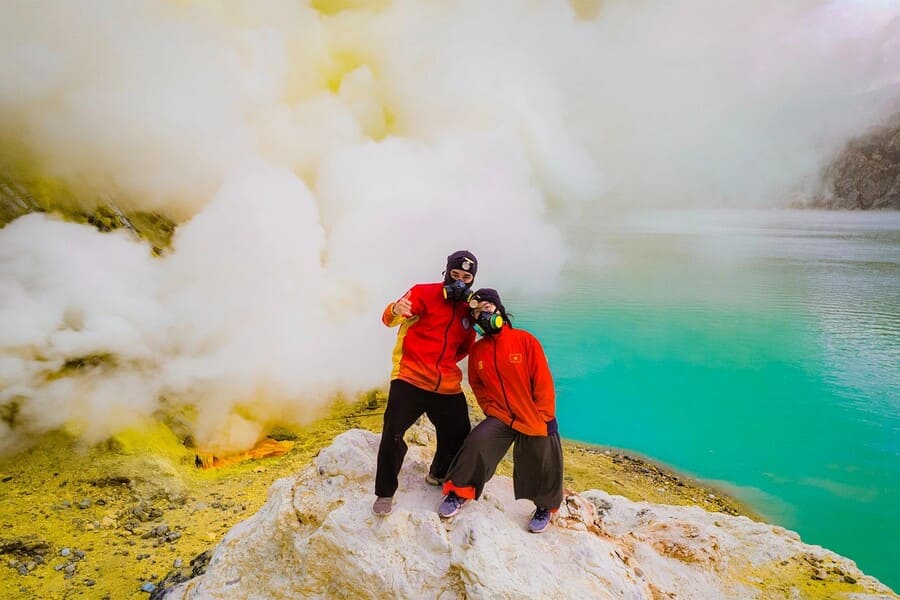
What makes the site geologically remarkable is the constant interaction between magma, groundwater, and sulfuric gases rising from deep within the earth. These gases escape through fumaroles, cracks in the crater floor, and ignite upon contact with oxygen, which is the mechanism behind the famous blue fire. This phenomenon, technically a form of combusting sulfuric gas rather than lava, occurs in only a couple of locations worldwide, with Kawah Ijen being the most accessible and well documented example.
Volcanic Activity and Eruption History
As an indonesia volcano, Kawah Ijen sits within the Pacific Ring of Fire, one of the most seismically active regions on the planet. Indonesia itself is home to over a hundred active volcanoes, and Ijen is monitored closely by Indonesia's volcanology agency due to its history of phreatic eruptions, explosive events triggered by the interaction of magma with water and gas rather than direct lava flow.
The volcano has experienced periodic increases in seismic activity over the decades, occasionally leading to temporary closures for visitor safety. As recently as 2024, the site was closed for roughly two months due to elevated seismic readings before reopening once conditions stabilized. This pattern underscores an important point for travelers: Kawah Ijen is not a dormant tourist backdrop, it is a living, monitored volcanic system, and access can change based on real-time geological assessments. Always check current status through official Indonesian volcanology sources or a reputable local tour operator before finalizing travel plans.
How to Visit Kawah Ijen Lake Indonesia
Best Time to See the Blue Fire
Timing is everything when planning a trip to see the kawah ijen lake indonesia is famous for, along with its accompanying blue flame display. The dry season, generally spanning from April through October, offers the clearest skies, driest trails, and most reliable visibility. Within this window, May, June, September, and October tend to offer a sweet spot: stable weather without the heavier crowds that arrive during July and August, when Indonesian school holidays and peak international travel converge on the region.
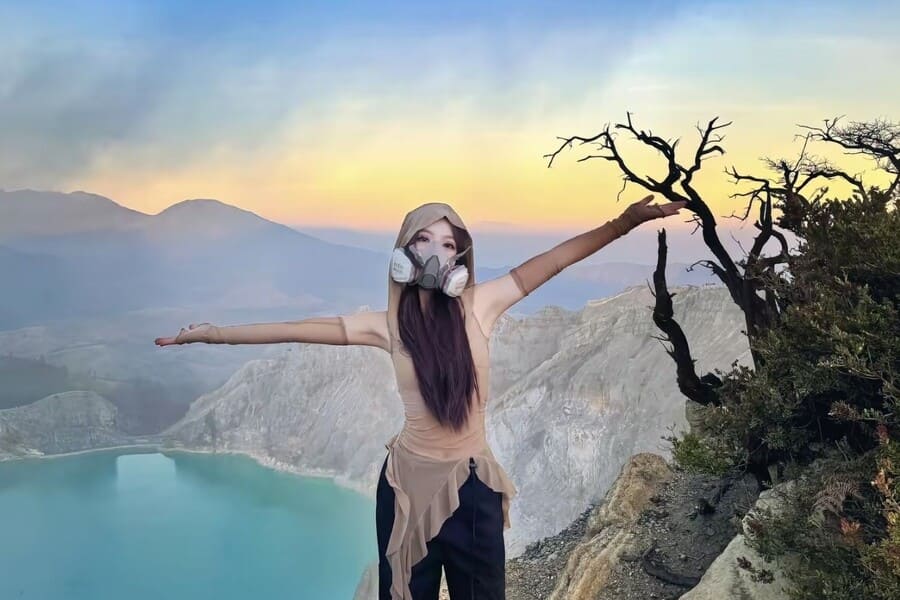
The blue fire itself is only visible in total darkness, with the most vivid viewing window falling between roughly 2:00 and 4:00 a.m. Once dawn approaches and ambient light increases, the flames become impossible to see. This means most treks begin well before sunrise, often starting from the Paltuding trailhead around 1:00 a.m. so hikers can reach the crater floor while conditions are still dark enough to witness the phenomenon properly. Temperatures at this hour typically range between 5 and 15 degrees Celsius, so warm layers are essential even though Indonesia's lowland climate feels tropical during the day.
If you're traveling during the rainy season, from roughly November through March, the trek is still possible, but expect muddier paths, increased fog, and a higher chance the blue fire will be partially obscured. Building a buffer day into your itinerary is a sensible precaution if your trip falls within this period.
Getting to Kawah Ijen from Banyuwangi
Banyuwangi, located at the easternmost tip of Java, is the most convenient gateway for reaching the volcano. The city has its own airport, Banyuwangi Airport (also known as Blimbingsari Airport), which connects to several domestic routes, making it a practical entry point if you're coming from Bali, Surabaya, or Jakarta.
From Banyuwangi, the drive to the Paltuding trailhead, the main starting point for the hike, typically takes around one to one and a half hours by car or motorbike. Many travelers choose to stay overnight in Banyuwangi before the trek, since the hike begins in the early hours of the morning. Renting a motorbike with a reasonably powerful engine is a popular option for independent travelers, as the route includes several steep ascents through plantations and rainforest.
For those coming from Bali, the journey is longer but still very manageable, usually involving a ferry crossing from Gilimanuk across the Bali Strait followed by a road transfer of several hours to reach the Ijen area. Many tour operators package this as an overnight trip, picking travelers up from their Bali accommodation in the early evening and arriving at the volcano in time for the pre-dawn hike. If you're combining destinations, a multi-day East Java itinerary that pairs Ijen with Mount Bromo is one of the most popular and efficient ways to experience the region's volcanic highlights without excessive backtracking.
Entrance Fees and Opening Hours
As of 2026, the entrance fee for foreign visitors to Kawah Ijen is set at 150,000 Indonesian Rupiah (roughly 10 USD) on both weekdays and weekends, following a fee adjustment from the previous weekday and weekend pricing structure. Domestic Indonesian visitors pay a significantly lower rate. Parking fees for motorbikes and cars are minimal, typically just a few thousand rupiah.
It's worth noting that Kawah Ijen is closed to visitors on the first Friday of every month for routine maintenance and safety assessments, so be sure to check the closure calendar before booking transport or accommodation around your intended visit date. If you book through a tour operator, entrance fees, gas masks, and sometimes a basic medical check are usually bundled into the overall package price, but it's always wise to confirm what's included before paying.
Attractions Near Kawah Ijen Volcano
Baluran National Park
Often nicknamed "Little Africa" for its open savanna landscapes, Baluran National Park sits a few hours from Banyuwangi and offers a striking contrast to the volcanic terrain of Ijen. Visitors can spot wild deer, water buffalo, and a variety of birdlife against a backdrop of dry grassland and distant mountains. It's a worthwhile half-day or full-day addition for travelers who want to diversify their East Java itinerary beyond volcanoes alone.
Banyuwangi's Natural Wonders
Banyuwangi itself is increasingly recognized as one of East Java's most underrated regions for nature tourism. Beyond serving as the launch point for Ijen treks, the area is home to G-Land (Plengkung), a renowned surf break popular with experienced surfers, as well as Sukamade Beach, where green sea turtles nest seasonally. Waterfalls, coffee plantations, and traditional Javanese villages round out the region's appeal for travelers who want to slow down and explore beyond the volcano itself.
Mount Bromo and East Java Volcano Tours
No discussion of Ijen would be complete without mentioning Mount Bromo, arguably East Java's other headline volcanic attraction. Bromo is famous for its own sunrise spectacle, with views over a sea of clouds and a smoking crater that has become one of Indonesia's most photographed sights. Many travelers combine both destinations into a single multi-day trip, often structured as a two- or three-day tour connecting Bromo, Ijen, and sometimes the nearby Tumpak Sewu waterfall.
This combined route has become something of a standard circuit for serious volcano enthusiasts visiting Java, and it allows travelers to experience two very different but equally impressive volcanic landscapes within a manageable timeframe.
Frequently Asked Questions About Kawah Ijen
Is Kawah Ijen Safe to Visit?
Generally, yes, with appropriate precautions. Kawah Ijen receives hundreds of thousands of visitors annually, and serious incidents remain rare relative to that volume. That said, this is an active volcanic site with genuinely hazardous elements: toxic sulfuric gas, steep and sometimes slippery terrain, and limited visibility in the dark. As of recent years, authorities have required visitors to have a medical clearance and be accompanied by a local guide, particularly for the crater descent.
Gas masks are strongly recommended, and many tour operators provide them as part of their package. Travelers with respiratory conditions, heart issues, or limited mobility should consult a doctor beforehand and may want to limit their visit to the crater rim viewpoint rather than the descent into the crater itself.
Can You Swim in Kawah Ijen Lake?
No. Swimming in the lake is neither permitted nor remotely advisable. The water's extreme acidity, with a pH approaching zero in places, makes it corrosive enough to damage skin, clothing, and even certain metals. The lake is meant to be observed from a safe distance, both for visitor safety and to preserve the fragile ecosystem and geological balance of the crater.
How Difficult Is the Kawah Ijen Hike?
The trek is considered moderately challenging but achievable for most reasonably fit adults without specialized mountaineering experience. The trail covers approximately 3 to 4 kilometers one way, with an ascent that takes roughly 1.5 to 2 hours under normal conditions. The terrain includes loose gravel, steep sections, and, if you're continuing down into the crater to see the blue fire up close, a notably steeper and more technical descent that requires careful footing, especially in darkness.
Sturdy, closed hiking shoes, warm layers, a headlamp, and a reliable water supply are essential. While porters and push-carts are available at the site for those unable to complete the trek unassisted, most visitors who prepare adequately, both physically and with the right gear, complete the hike without major difficulty.
Kawah Ijen remains one of the most distinctive volcanic experiences in Southeast Asia, a place where geology, chemistry, and human endurance intersect in ways that are difficult to find anywhere else. Whether your priority is photographing the blue fire, learning about sulfur mining traditions, or simply witnessing the world's largest acidic lake with your own eyes, a well-planned visit rewards travelers with memories that are hard to replicate elsewhere on earth.