
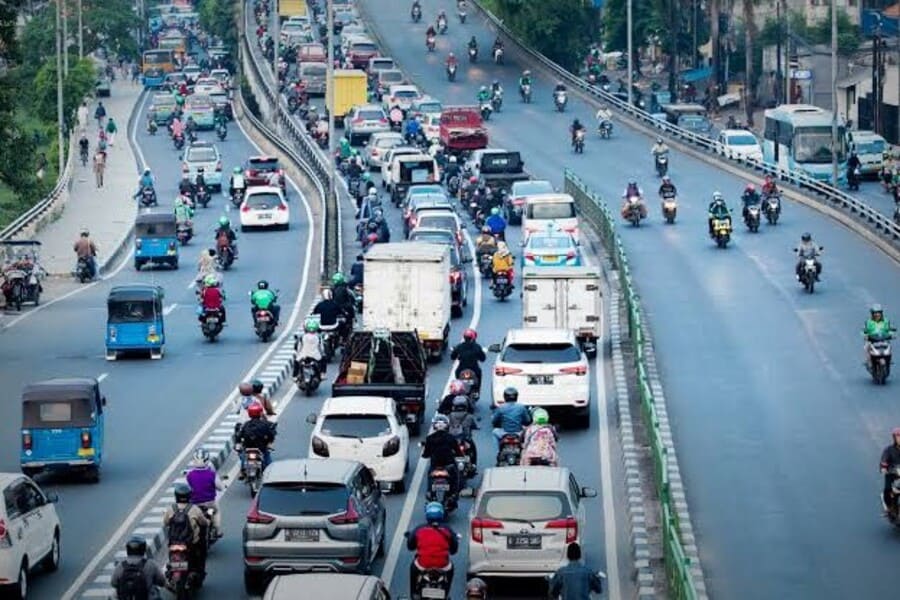
Anyone who has sat in a car on Jalan Gatot Subroto during the evening rush, watching motorbikes squeeze through gaps barely wide enough for a bicycle, understands why Jakarta keeps appearing in global traffic studies. Indonesia transportation tells a story of contrasts: a nation built from more than 17,000 islands held together by ferries and flights, paired with a capital where a ten kilometer drive can swallow half an hour. Having navigated Jakarta's toll roads, ridden the MRT during rush hour, and waited for a Pelni ferry to dock at an outer island port, I can say that understanding indonesia transport options matters before booking any indonesia tours, since how a traveler moves through this country shapes the entire trip. This guide breaks down the main modes of travel, the public transit systems residents rely on daily, and why Jakarta keeps showing up near the top of global congestion rankings.
Overview of Indonesia Transportation
Indonesia is the largest archipelagic nation on earth, with islands stretching across three time zones from Sumatra to Papua. This geography is the main reason indonesia transportation cannot rely on a single dominant mode the way landlocked countries often do. Roads, railways, seaports, and airports all play essential, frequently overlapping, roles in keeping the country connected.
Java, home to more than half of Indonesia's population of over 280 million, leans heavily on motorcycles, private cars, and an expanding rail and bus rapid transit network. On the outer islands, ferries run by state-owned operators such as Pelni and ASDP remain the only practical link for communities with no road access at all. Add domestic flights into the mix, and the transportation Indonesia depends on becomes a layered system rather than a single network.
Government investment over the past decade, from toll road expansion to the country's first high speed rail line, reflects a deliberate push to modernize transportation in indonesia and reduce reliance on private vehicles. Despite this progress, vehicle ownership has often grown faster than new infrastructure, a tension that runs through nearly every part of this indonesia transportation overview.
This tension is part of why the relocation of the capital to Nusantara on the island of Kalimantan, still under construction, has been framed partly as a transportation decision. Planners openly cite Jakarta's congestion and sinking land as reasons to build a new administrative center designed around public transit from the outset, rather than retrofitting transit onto a city that grew up around the car and the motorbike.
Transportation in Indonesia: Main Modes of Travel
Understanding indonesia transportation starts with grouping the country's systems into four broad categories: road, rail, air, and maritime. Each mode serves a distinct purpose, and longer journeys frequently combine more than one.
Road Transportation
Road travel forms the foundation of indonesia transportation, carrying the overwhelming majority of daily trips. The country is the world's third largest motorcycle market, with well over 130 million motorcycles in circulation and more than 6.5 million new units registered in 2025 alone. For many households, a motorbike is not a lifestyle choice but the most affordable way to reach work, school, or the market each day.
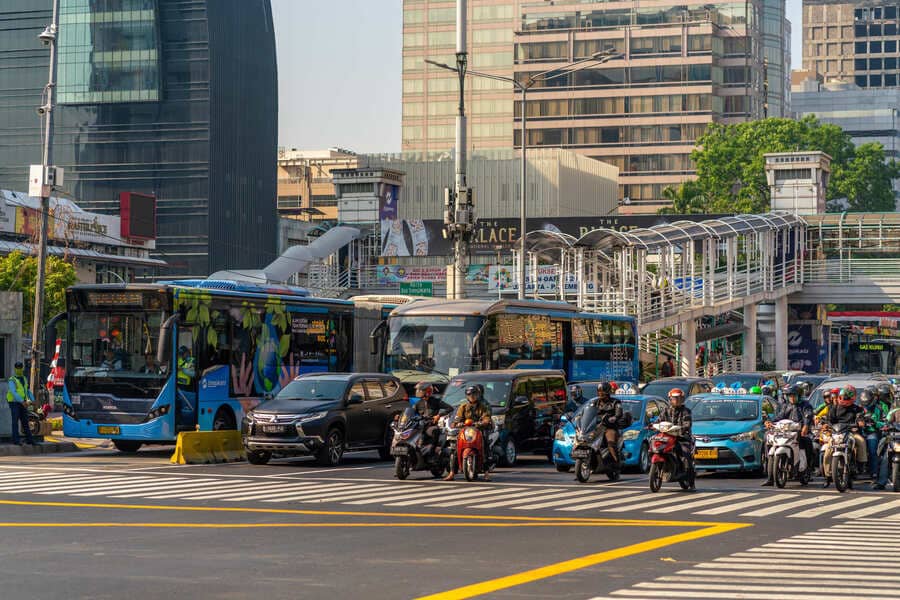
Cars remain common in larger cities, though Jakarta's congestion has pushed many residents toward two wheelers, which can move through traffic that brings four wheeled vehicles to a complete stop. Ride hailing apps such as Gojek and Grab have reshaped urban mobility further, letting commuters book a motorcycle taxi, a car, or a food delivery from a single app within seconds, something I have relied on personally during repeat trips to Jakarta and Bali.
Intercity road travel depends on a growing toll road network, including the Trans Java toll road, which now stretches more than 1,100 kilometers from Merak to Banyuwangi and has cut the once exhausting overnight drive between Jakarta and Surabaya down to a single day. From experience, self-driving in Jakarta itself is rarely worth the stress; most visitors and even many residents find it faster and far less tiring to hire a driver or rely on ride hailing apps for anything inside the city core.
Rail Transportation
Indonesia's railway history dates back to the Dutch colonial era, when the country's first line opened on Java in 1867. Today, state operator PT Kereta Api Indonesia runs passenger and freight services across Java and Sumatra, while Greater Jakarta maintains its own dense web of commuter lines.
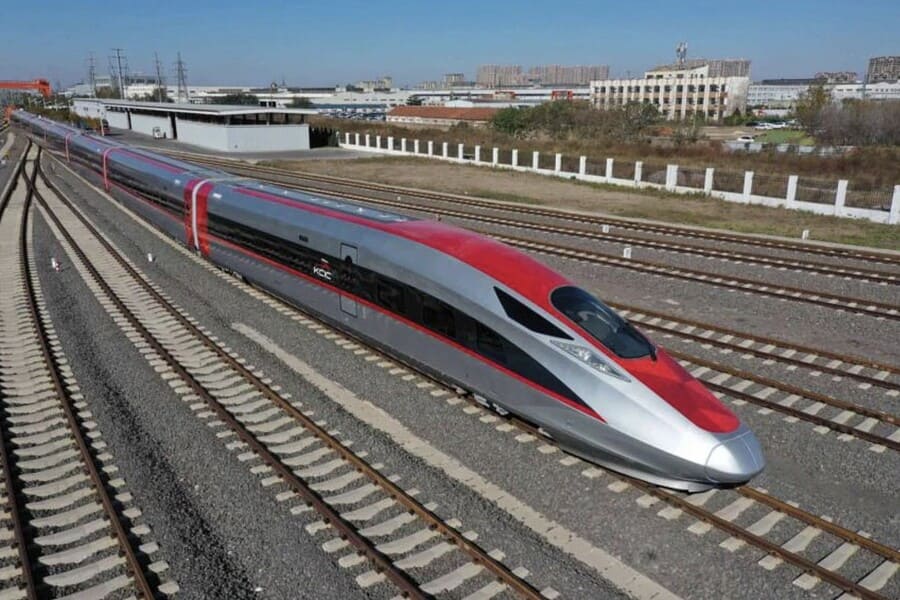
The most significant recent development is Whoosh, Indonesia's first high speed rail line and the first in Southeast Asia. Running roughly 142 kilometers between Jakarta and Bandung at speeds up to 350 kilometers per hour, Whoosh has carried more than 12 million passengers since opening in late 2023, with an extension toward Surabaya planned for the next decade.
Conventional intercity trains, including the long running Argo class services between Jakarta, Bandung, and cities along Java's north coast, still offer a useful alternative for travelers who prefer scenery over speed, with economy, business, and executive class seating available at fares well below a domestic flight.
Air Transportation
Given the distances separating Indonesia's islands, flying is often the only practical choice for indonesia transport between regions. Soekarno-Hatta International Airport near Jakarta handles close to 1,000 flights a day and ranks among the busiest airports in Southeast Asia, served by dozens of airlines including Garuda Indonesia, the national carrier, and Lion Air, the country's largest low cost operator.
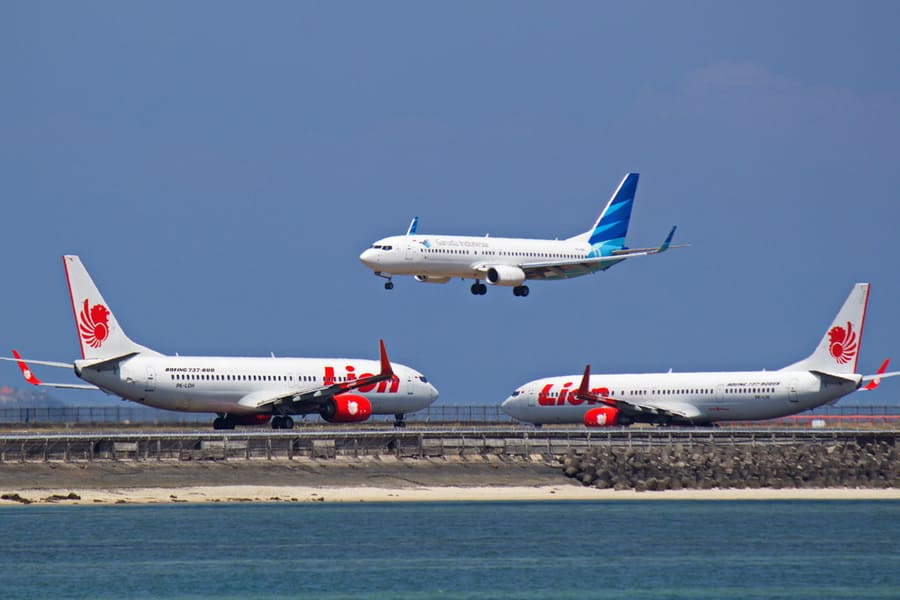
Domestic routes now reach even relatively remote provinces, and budget carriers such as Citilink and AirAsia Indonesia have made island hopping far more accessible than it was a generation ago, when a long sea voyage was the only realistic option for many families. One practical tip worth knowing: domestic fares and seat availability tighten considerably around national holidays such as Eid al-Fitr, when millions of Indonesians travel home at once, so booking well in advance during these periods pays off.
Maritime Transportation
With more than 17,000 islands, several hundred of them permanently inhabited, the sea remains the backbone of long distance travel for a large share of the population. State owned Pelni operates large passenger ships connecting ports from Sumatra to Papua, with some journeys lasting more than a week.
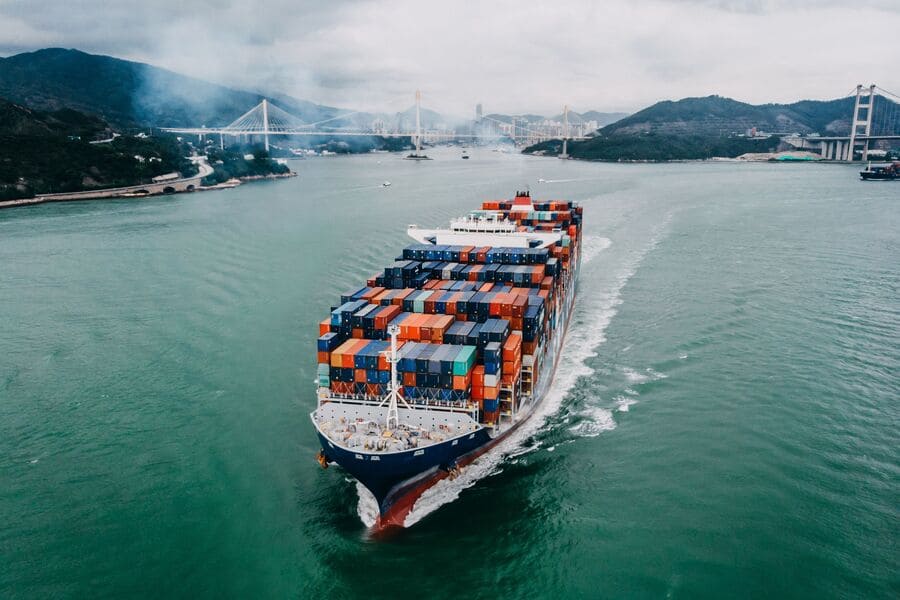
Shorter crossings, including the busy Merak to Bakauheni route linking Java and Sumatra, are handled by ASDP, which served roughly 45 million passengers in a single recent year. Fares vary enormously depending on distance: a short hop between Java and Bali can cost only a few dollars, while a multi-day Pelni voyage to a destination like Ambon or Papua, complete with a bunk and meals, typically runs in the range of 30 to 100 US dollars depending on class.
For travelers heading to islands such as the Gilis or Nusa Penida, fast boats and newer integrated ferry terminals have made these crossings considerably smoother than they were even five years ago, another example of how indonesia transportation continues to modernize island by island.
Public Transportation Indonesia Residents Use Every Day
While road, rail, air, and sea travel define how Indonesians move between cities and islands, daily commuting within urban areas depends on a different set of systems that sit at the center of everyday indonesia transportation. Public transportation in indonesia has expanded significantly over the past fifteen years, particularly in Jakarta, where a growing transit network is slowly chipping away at the city's reliance on private vehicles.
Buses and Bus Rapid Transit (BRT)
Transjakarta, launched in 2004, was the first bus rapid transit system in Southeast Asia and remains the backbone of public transit in the capital. It now operates across 14 corridors and more than 250 stations, covering over 260 kilometers and carrying upward of 1.6 million passengers on its busiest days.
Beyond Jakarta, cities including Yogyakarta, Semarang, and Palembang run their own BRT style systems, while informal angkot minibuses continue to serve neighborhoods that formal transit has not yet reached. These privately operated minivans remain a practical, low cost option in many areas, even if comfort and schedules vary widely from one route to the next. Transjakarta itself charges a flat fare regardless of distance, and it now falls under the broader Jak Lingko program, which folds buses, feeder routes, and even some informal angkot lines into a single integrated network and fare structure.
MRT and Commuter Rail Networks
Jakarta's MRT opened its first line in 2019, connecting Lebak Bulus to the central business district near Bundaran HI, with additional phases under construction to extend coverage further north and east. Running alongside it, the Jabodebek LRT and the long established KRL Commuterline together form one of the busiest rail networks in the country, moving more than two million passengers a day across Greater Jakarta.
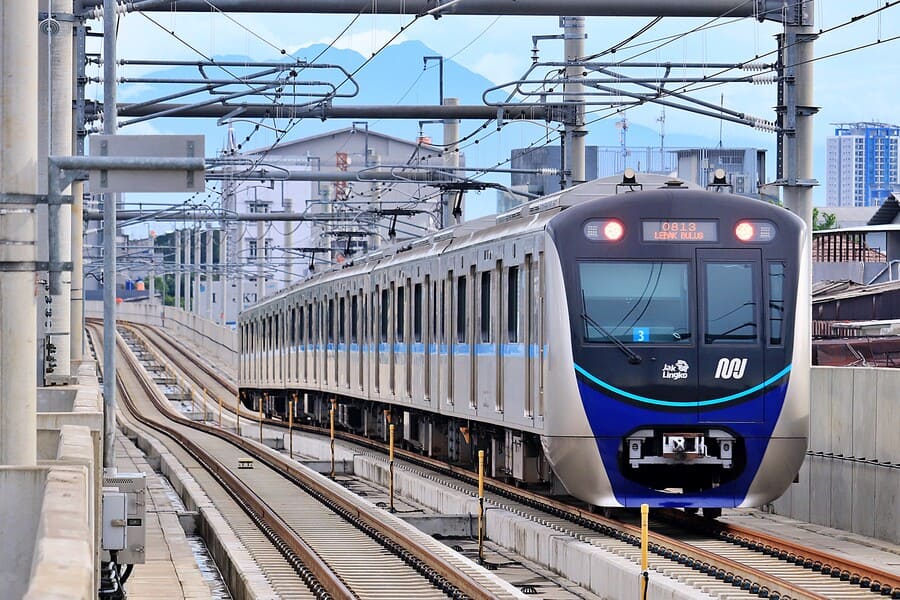
These systems are increasingly well integrated, with shared stations that let commuters transfer between MRT, LRT, KRL, and Transjakarta without leaving a single building, something that would have been unimaginable in Jakarta a decade ago. This kind of integration reflects the transportation Indonesia has needed for years, and it shows just how far the capital's public transit has come, even as private vehicle growth continues to outpace it.
Frequently Asked Questions About Indonesia Transportation
What Is the Most Common Transportation in Indonesia?
Motorcycles are by far the most common form of transportation across the country. With well over 130 million motorcycles registered and a fleet that continues to grow each year, two wheeled transport remains the default choice for most households outside the wealthiest urban neighborhoods. Most of this fleet still runs on gasoline; electric motorcycles remain a small fraction of new registrations so far, even as the government pushes incentives to speed up the shift. In cities with strong public transit, such as central Jakarta, buses and rail systems handle a growing share of daily trips, but nationally, the motorbike still dominates indonesia transportation.
Why Is Traffic So Heavy in Indonesian Cities?
Several factors combine to create the congestion Jakarta is known for. Vehicle ownership, especially motorcycles, has grown faster than road capacity for years. According to the TomTom Traffic Index 2025, Jakarta's congestion level climbed sharply, placing the city 24th among the world's most congested cities, with an average ten kilometer trip taking more than 26 minutes, longer than the year before.
That figure looks better than Jakarta's standing a decade earlier, when the same index ranked the city among the worst four or five cities worldwide, but the recent jump from 90th place the previous year shows how quickly congestion can return once growth in vehicles outpaces new road and transit capacity.
Limited land for new roads, overlapping construction for new transit lines, and a metropolitan population that the United Nations now ranks as the largest urban agglomeration on the planet all add pressure to an already strained indonesia transportation network. The encouraging part is that as MRT, LRT, and BRT coverage expands, congestion has eased in past cycles, which suggests continued infrastructure investment can make a measurable difference over time.
What Is the Best Transportation Option for Tourists in Indonesia?
The right choice depends on the trip. Within Jakarta, the MRT and Transjakarta are reliable for avoiding traffic, while ride hailing apps like Gojek and Grab work well for shorter or less predictable routes. Arriving at Soekarno-Hatta International Airport, the Soekarno-Hatta Airport Rail Link and DAMRI shuttle buses are usually faster and cheaper into the city than a taxi during peak hours, a detail many first time visitors miss. Between Jakarta and Bandung, Whoosh offers a fast, comfortable alternative to congested toll roads.
For island hopping, domestic flights save time, while ferries operated by ASDP or Pelni suit travelers with flexible schedules or a preference for slower, more scenic journeys. Choosing wisely often means combining several of these options, since no single mode of indonesia transport covers every part of such a vast archipelago, and that diversity is exactly what makes indonesia transportation such a rich, evolving system to explore.